
Key takeaways
- Dogs can experience anxiety, just like humans, with symptoms including stimulation, appetite changes, and destructive behavior.
- Some dog breeds are more prone to anxiety due to genetics.
- Talk to your veterinarian if your dog shows signs of anxiety.
What is anxiety in dogs?
“Anxiety is a feeling of apprehension in anticipation of something potentially dangerous,” says Kate Anderson, DVM, DACVB, assistant clinical professor at Cornell University College of Veterinary Medicine.
According to Dr. Anderson, common anxiety triggers include:
However, anxiety can sometimes occur even without an obvious trigger. Pet parents should learn to read their dog's body language to better understand when they may be fearful or anxious.
“Dogs feel anxiety just like we do, but they express it in ways that can be easy to ignore unless we know what to look for,” says Rory Lubold, DVM, MBA, CCRT, chief veterinary officer at Yourgi, a pet care services company.
Common behaviors that anxious dogs may exhibit include:
-
Hypervigilance or constant scanning of their environment
-
Changes in usual motor activity (such as freezing, pacing, circling, jumping, digging, trying to escape, or destructive behavior)
-
Changes in vocalization (such as barking or whining)
-
Displacement behaviors (lip licking, scratching, yawning, grooming)
-
Changes in social behavior
-
Physiological signs of arousal (dilated pupils, tremors, excessive salivation not related to food, panting, urination, defecation, vomiting, diarrhea)
-
Changes in appetite
What are the most anxious dog breeds?
Certain breeds may be more likely to exhibit anxious behaviors. That said, anxiety can affect dogs of any breed and its severity depends on many factors beyond genetics.
“While genetics certainly influence behavior, we see anxiety and fear in all breeds because it is an adaptive mechanism that evolved to keep dogs safe,” says Dr. Anderson.
1. American Staffordshire Terrier
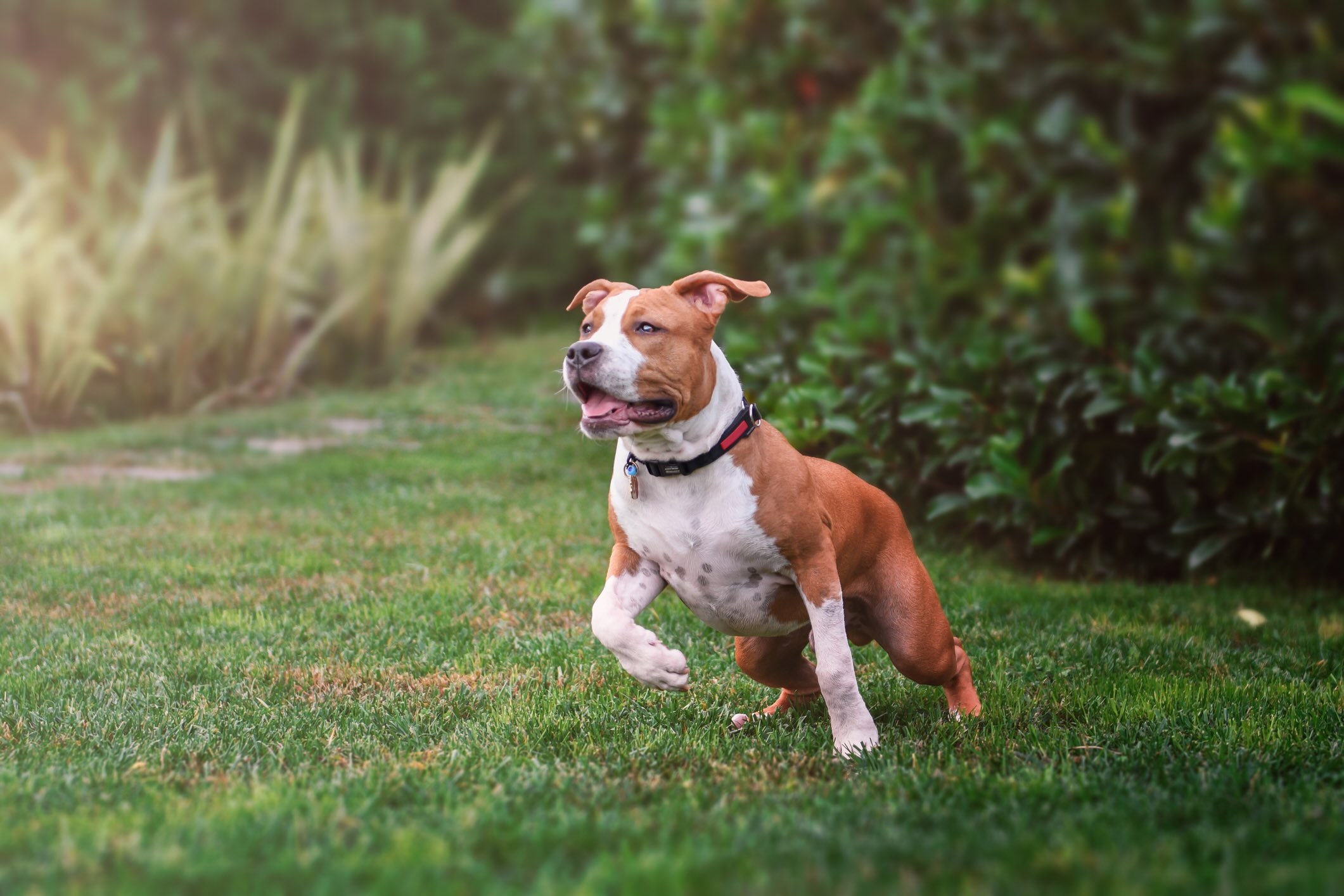
American Staffordshire Terriers are loyal, loving and affectionate with their family, but they can be prone to separation anxiety.
Ensuring your AmStaff gets enough daily exercise, mental stimulation, and quality time with colleagues can help reduce anxiety-related behaviors.
2. Border Collie
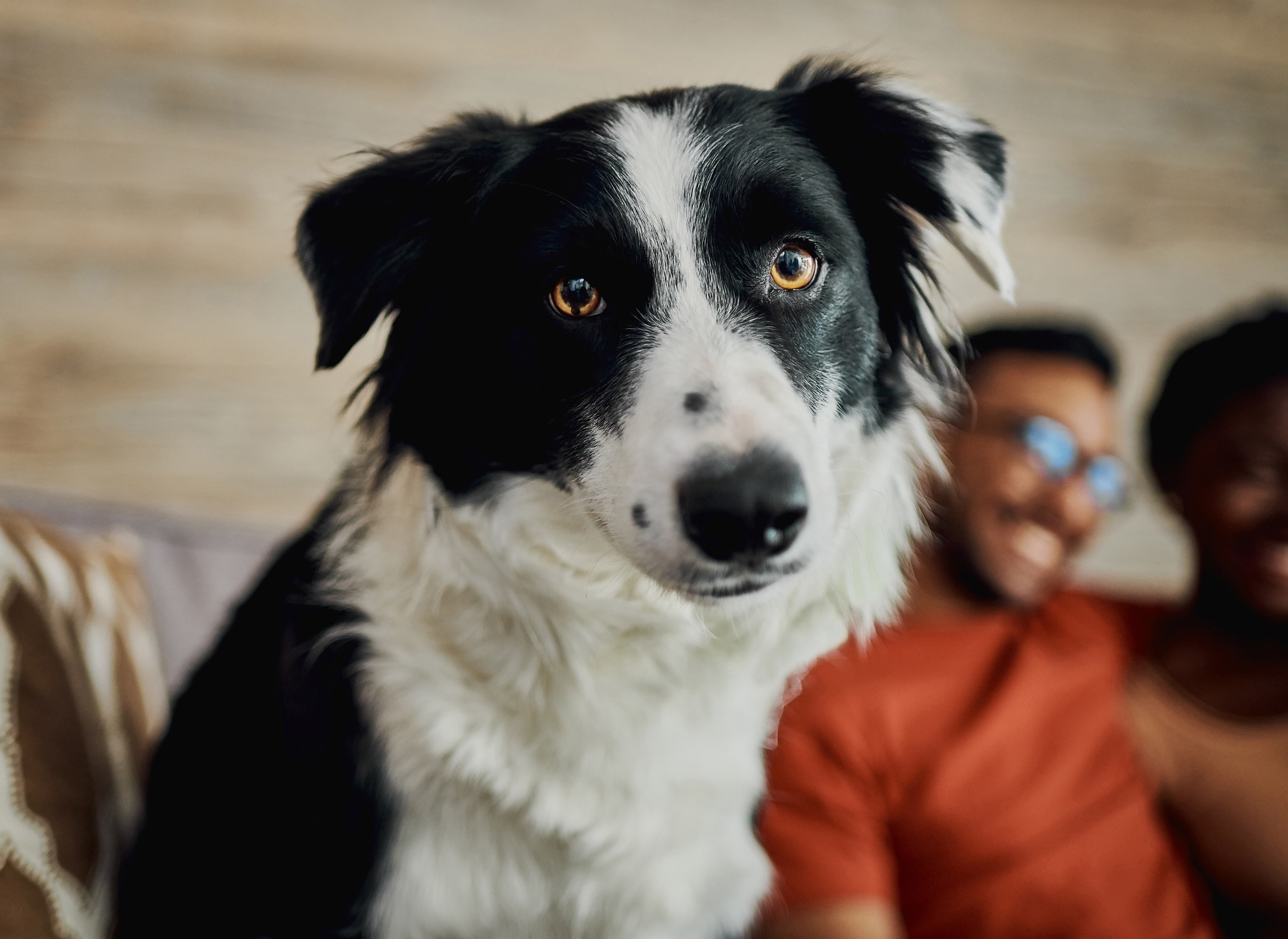
Originally bred for herding, Border Collies are energetic and friendly dogs. But when boredom strikes, they may exhibit anxious behaviors, like excessive barking.
“Herding breeds were designed for constant vigilance, problem solving, protection and environmental sensitivity,” says Dr. Lubold. “They were raised to constantly be outside, alert and running for days at a time. In a home without the same demands, these strengths can manifest as anxiety.”
One way to help Border Collies manage their anxiety is to provide them with structured exercises or puzzles to keep them occupied.
3. Chihuahua
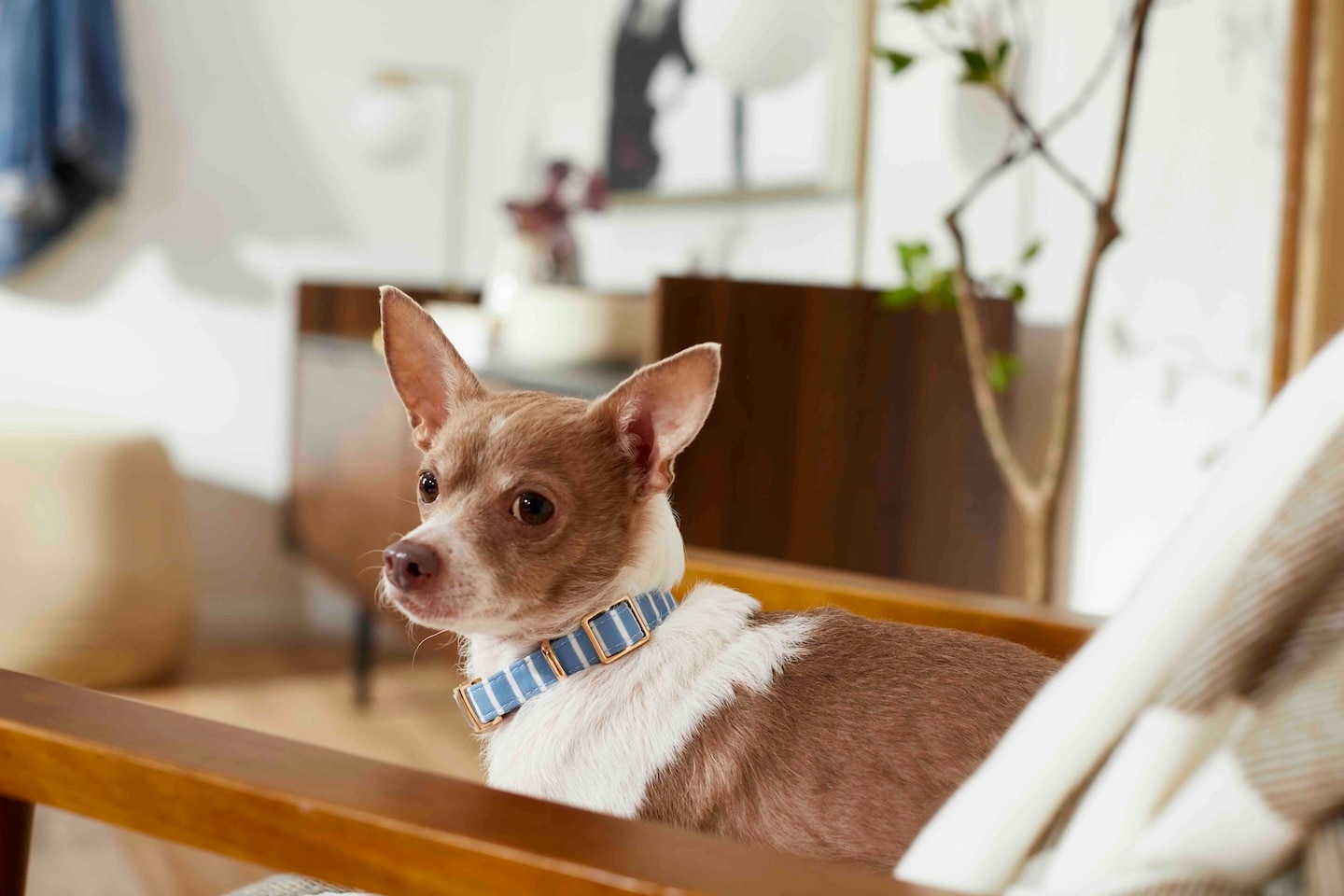
Despite their bold personality, Chihuahuas are prone to social and separation anxiety. They can be shy and timid around new people and bark excessively when nervous. Providing a predictable routine, engaging toys, and a safe space can help reduce their stress.
4. German Shepherd
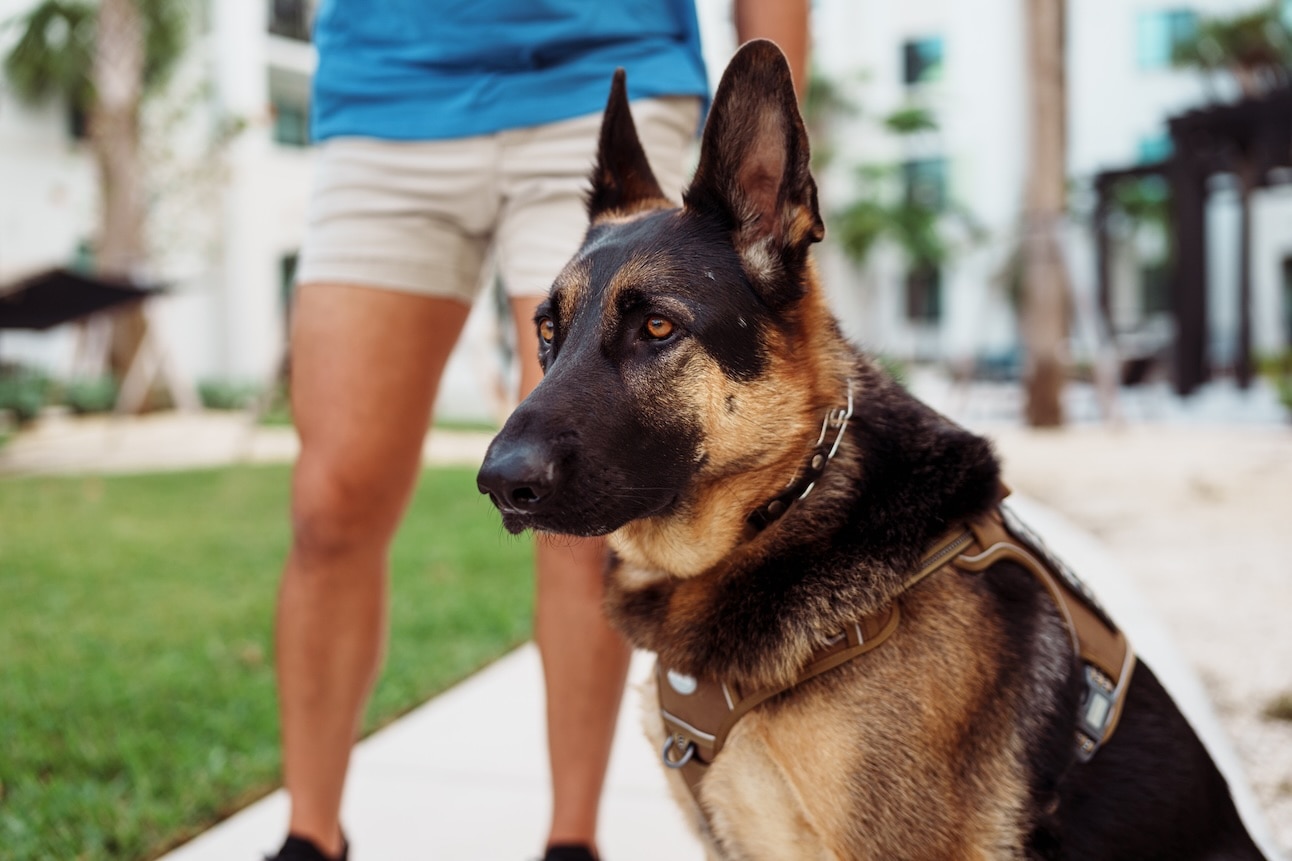
German Shepherds are high-energy herding dogs who enjoy having a job that allows them to use their brains and bodies. They thrive on consistency, so deviating from their routine can lead to anxious behaviors such as pacing and scratching doors.
Help reduce anxiety by sticking to an activity routine and letting them use their hiking, agility, nose work, and dock diving skills.
5. Greyhound
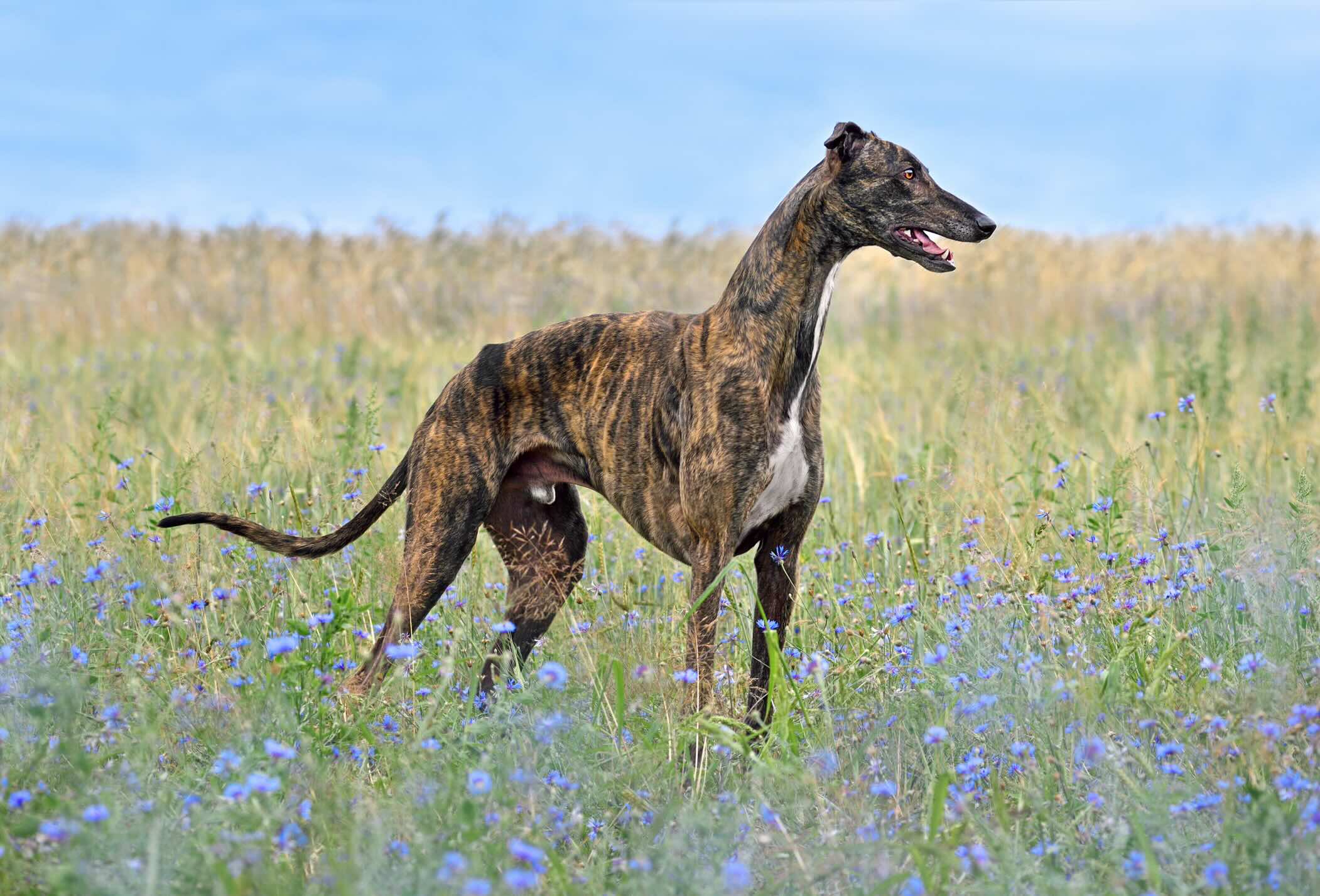
Greyhounds are predisposed to anxiety. They often become shy around new people and in new places, leading them to be hesitant to engage and withdraw in unfamiliar environments, Dr. Lubold says.
Early socialization and slow introductions to new animals, people and places are essential to building a Greyhound's confidence.
6. Parson Russell
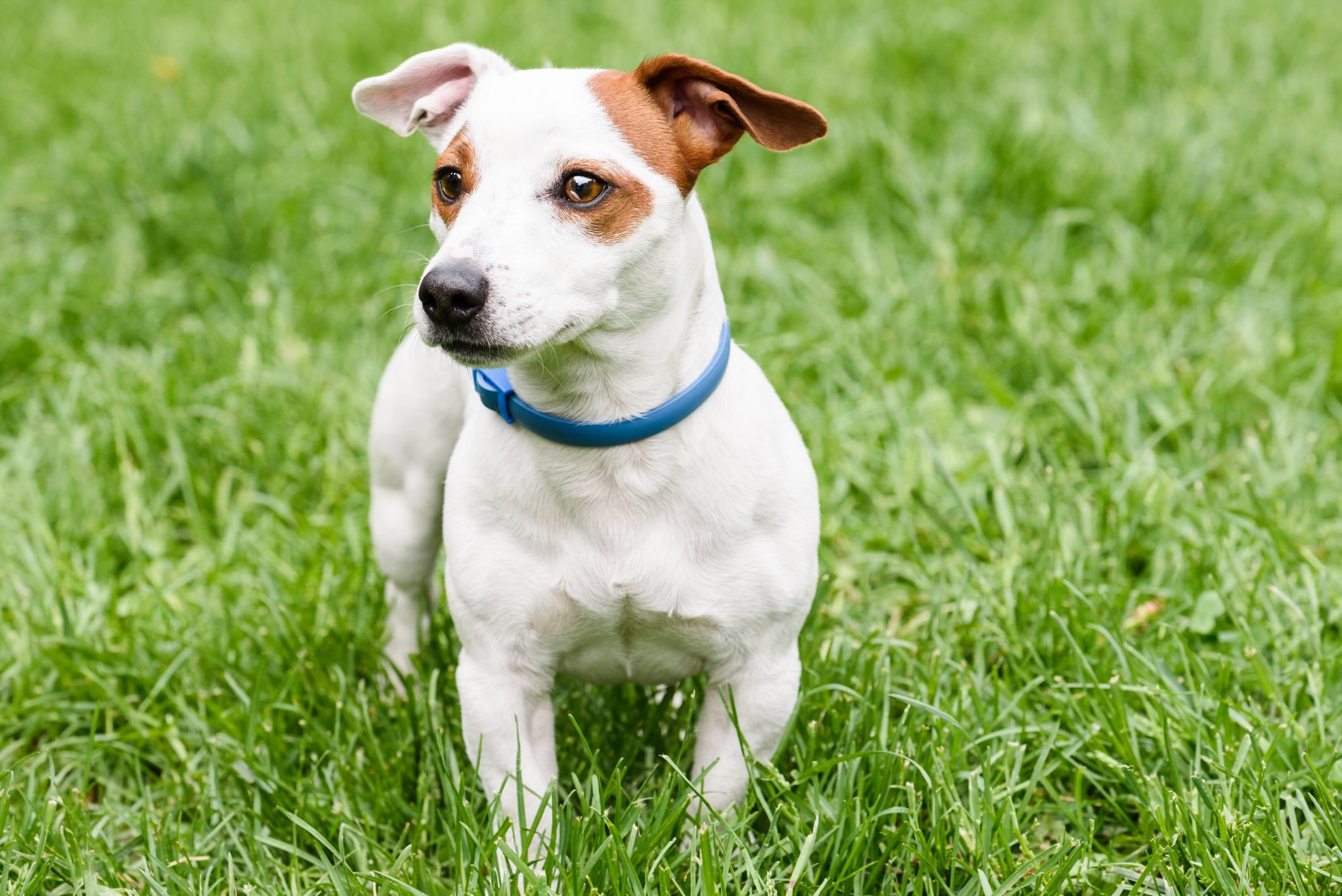
Also known as the Jack Russell Terrier, this high-energy breed may display anxious behaviors such as excessive barking and digging.
It's extremely important to keep your Jack Russell active and engaged: he needs at least an hour of exercise every day. Make sure their activities take place in a fenced area or on a leash to keep them safe (and prevent them from chasing neighborhood squirrels).
7. Shiba Inu
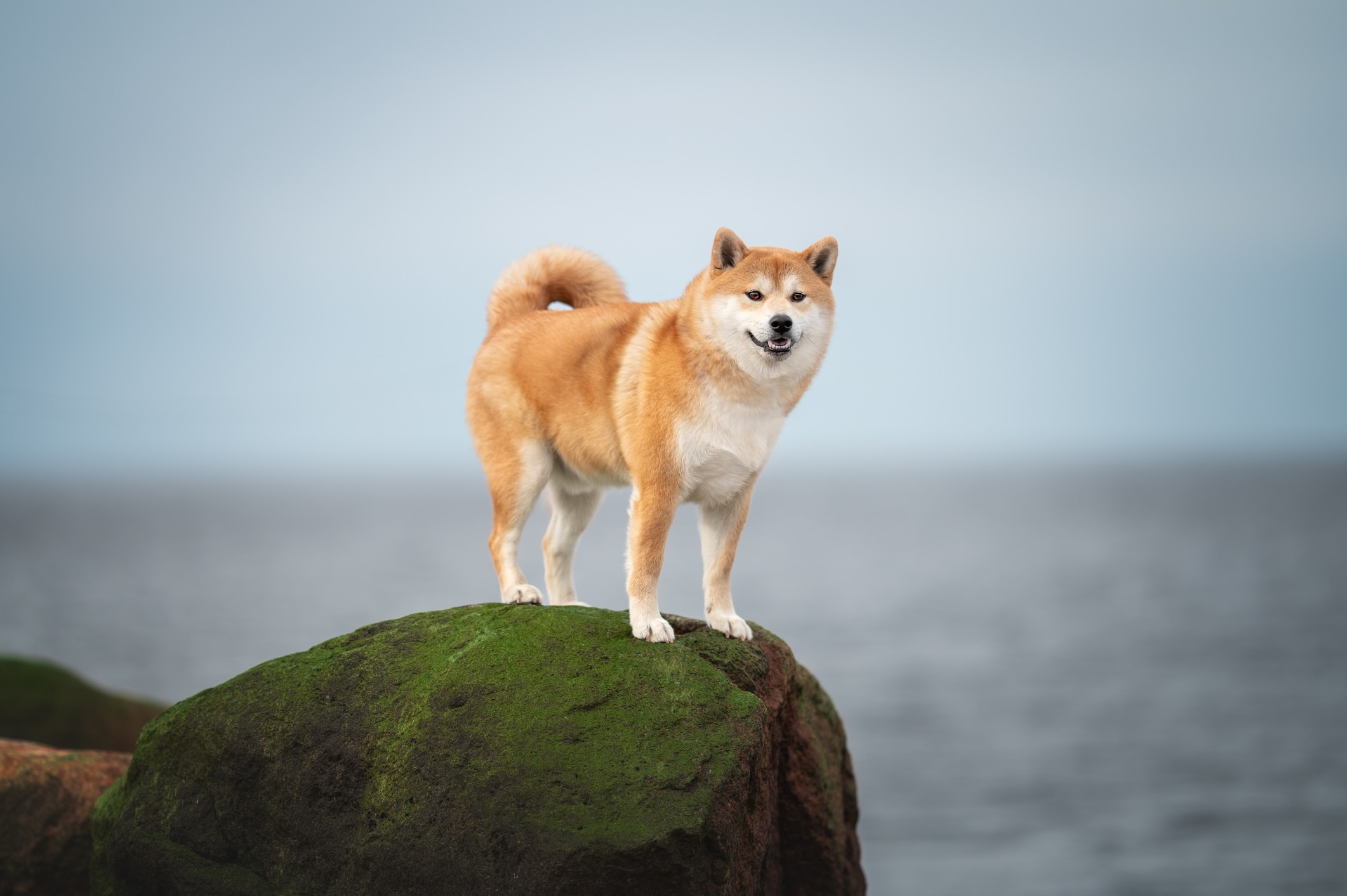
A simple way to detect increasing anxiety in a Shiba Inu is to look for hypervigilance (agitation, constant scanning of their surroundings). Shibas are also very noisy, emitting a “Shiba cry” to signal stress or frustration.
Triggers may include separation from family; new people, pets or places; or loud, unfamiliar noises.
8. Siberian Husky
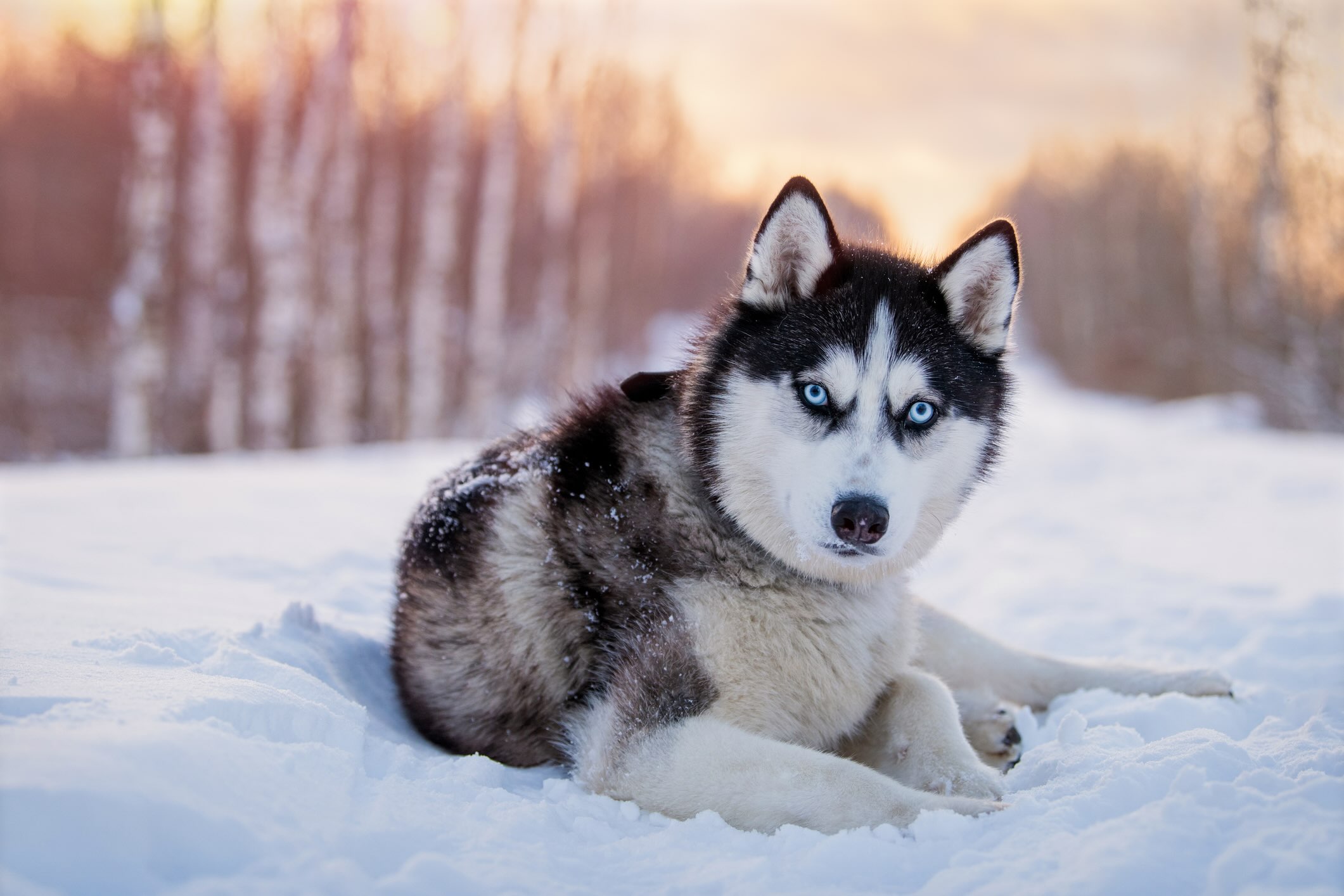
Siberian Huskies are also prone to anxiety, which may manifest as barking, destructive chewing, digging, escape attempts, or fixation on movement.
To help an anxious Husky, give him daily mental stimulation, structured physical exercise, puzzles, and positive reinforcement training that channels his work instinct toward meaningful tasks.
9. Toy Poodle

Toy poodles can develop separation anxiety when left alone for long periods of time. And if they are bored, they may bark, jump and be destructive.
Toy Poodles are also very sensitive to new environments and changes in their routine, which can contribute to stress-related gastrointestinal upset. Because they are very intelligent dogs, entertaining them with interactive toys and puzzles is a great way to help them manage stress.
10. Visla

Cheerful and energetic Vizslas love spending time with their loved ones. They are often called “Velcro dogs” because of their close attachment to the people they love.
For this reason, separation anxiety is a common problem among Vizslas. But with lots of attention, exercise and enrichment, they can thrive.
How to help your very anxious dog
“Chronic anxiety affects not only behavior but also a dog's overall well-being, from their sleeping habits to their ability to learn and feel safe,” says Dr. Lubold. “Chronic stress also affects physical health, so reducing anxiety significantly improves both emotional well-being and overall quality of life. »
To help dogs manage their anxiety, it's crucial to create a safe environment for them, says Dr. Anderson, by removing, avoiding, or blocking anything that triggers their anxiety as much as possible.
“Pet owners can also provide a safe base for their pet by calmly comforting them and providing predictable, positive interactions and routines,” says Dr. Anderson.
Here are some ways pet parents can help manage their dog's anxiety:
-
Build Consistent Daily Routines
-
Use positive reinforcement training to give your puppy confidence
-
Give your dog puzzle feeders or scent-based games for mental enrichment
-
Incorporate regular physical activity
-
Create a calm, safe space where your dog can retreat
-
Seek professional help for persistent anxiety
In some cases, anti-anxiety medications can help dogs, Dr. Lubold says. However, medication should only be considered if you have done everything you can at home to help reduce their stress.
Medications are most effective when combined with behavior modification, Dr. Lubold says, because they help reduce the dog's baseline stress.
“[Anxiety medication] is not a shortcut, but a supportive tool and can sometimes be removed entirely,” says Dr. Lubold. Always consult your veterinarian to determine if medications are appropriate for your dog.
Dr. Anderson also recommends a veterinary evaluation to rule out medical issues that may be contributing to anxiety. If necessary, your veterinarian can prescribe treatment or refer you to a behavioral veterinarian (veterinarian specializing in the treatment of emotional disorders in dogs).