
Cats and dogs are experts at hiding their symptoms when they are sick. It's an instinct that constitutes normal survival behavior, but it also makes us more likely to miss the symptoms of serious illnesses, like cancer, in their early stages.
Learning that your dog or cat has cancer is devastating and, unfortunately, cancer is a common diagnosis in veterinary medicine. The encouraging news is that early detection can have a positive impact on your pet's treatment options and quality of life.
You don't need to be a veterinarian to know what to look out for when it comes to signs or symptoms of cancer. You just need to be vigilant and work closely with your veterinary team to monitor your pet's health.
Key takeaways
- Early detection of cancer in dogs and cats often improves treatment options and the animal's quality of life by identifying cancer-related blood markers before obvious symptoms appear.
- Routine veterinary exams, blood tests, imaging and new screening tests can help detect indicators of cancer in the blood before physical symptoms appear.
- This can be especially beneficial for older pets and higher-risk breeds.
- Subtle changes at home, such as weight loss, changes in appetite, bad breath, or new bumps, may be warning signs.
- Proactively work with your veterinary team on a personalized screening plan based on your pet's age, breed and health history.
What is early detection of cancer in pets?
Early detection of cancer, sometimes called screening your pet for cancer, involves identifying potential problems before they become more visible in your pet's daily life.
The goal of early detection of cancer in pets is to identify cellular changes (through blood tests) or small tumors, lumps and bumps (through hands-on physical exams or imaging) before symptoms or illnesses related to the cancer diagnosis appear.
Veterinarians use several tools to screen for cancer, including:
-
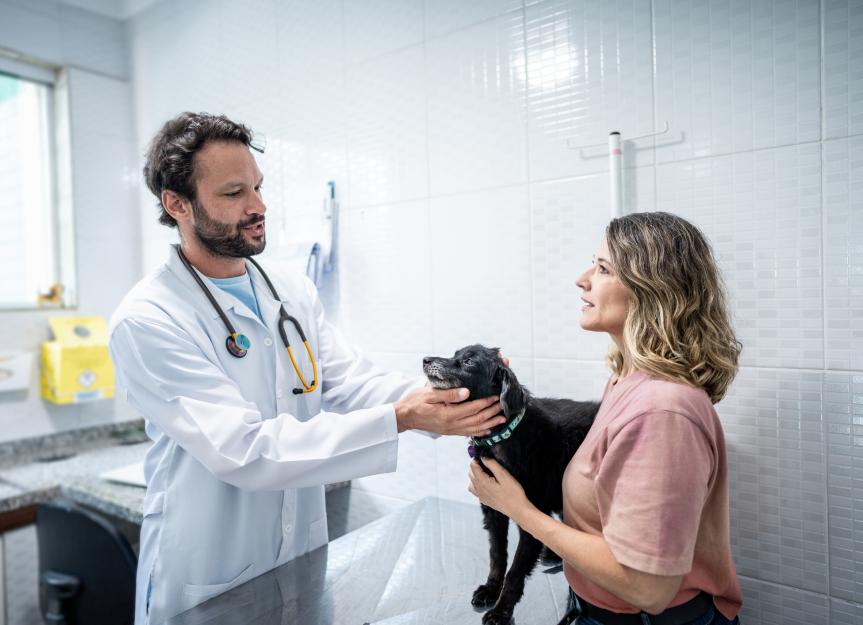
Physical exams: A thorough nose-to-tail exam in which your veterinarian looks for hidden bumps, swelling, pain or other abnormal changes.
-
Sampling: If a lump is detected, your veterinarian may perform a fine needle aspiration to remove cells from the mass for evaluation, or they may want to perform a biopsy to determine if it is cancerous.
-
New blood tests: Emerging “liquid biopsy” tests, such as the Nu.Q Vet Cancer Test, can detect markers of certain cancers in the blood before a tumor is detectable.
Is my pet at higher risk of cancer?
Some animals are more likely than others to develop cancer due to genetic or age-related factors. Understanding your pet's individual risk can help guide best monitoring practices and how often screening is recommended.
Factors that may increase the risk of cancer include:
-
Age: The risk of cancer increases with age. Many veterinarians recommend frequent screenings once pets enter old age, often around age 7.
-
Health history: Chronic inflammation, obesity and other conditions can increase cancer risk. In cats, FeLV or FIV infection increases the risk of certain cancers.
6 Things to Ask Your Vet About Early Cancer Detection
1. How often should my pet have wellness exams?
This depends on the age and general health of your pet. Many healthy adult pets only need an annual health exam, while older pets often benefit from an exam every six months.
2. What cancer screening tests are currently recommended for my pet?
If your veterinarian finds any abnormalities during a physical exam, he or she will recommend appropriate follow-up tests.
For healthy pets with normal physical exams, ask if new blood tests that detect cancer before physical signs appear might be appropriate for your pet.
3. What subtle symptoms should I watch for at home?
Cancer often starts with small, gradual changes. Ask your veterinary team about warning signs such as:
4. If your veterinarian notices a mass or abnormal finding, what happens next?
Not all masses are cancerous. Many, like fatty growths called lipomas, are benign. Ask your veterinarian: “What is your level of concern” and “What are the best next steps to address this concern?” »
Your veterinarian can explain when it is appropriate to monitor, when to take a sample, and best practices for detection and treatment.
5. How do my pet's age, breed and history change their testing plan?
Because every pet is unique, ask yourself how your pet's individual history influences screening recommendations. This helps ensure that your pet receives care specifically tailored to their needs.
6. What can I do at home to help with early detection?
Ask your veterinary team to show you how to perform a simple, gentle nose-to-tail exam at home and how often to do it. Make your pet comfortable by using a familiar pet bed and always reward them with a treat afterwards.
Keep a simple log of these checks, including body weight, muscle condition, energy level, appetite consistency, and any new mass or changes. This information can be extremely helpful during your next veterinary visit.
Supporting Your Pet and Yourself
Learning that your pet might have cancer is scary, and it's okay to feel overwhelmed. The goal of early detection is to create more options and give you more time to make informed decisions.
If your pet has cancer, talk openly with your veterinary team about quality of life, next steps and available support. Ultimately, early cancer detection is one of the most powerful tools you have to gain peace of mind and protect your pet's well-being. You are your pet's best advocate, and your veterinary team is here to support you both.