
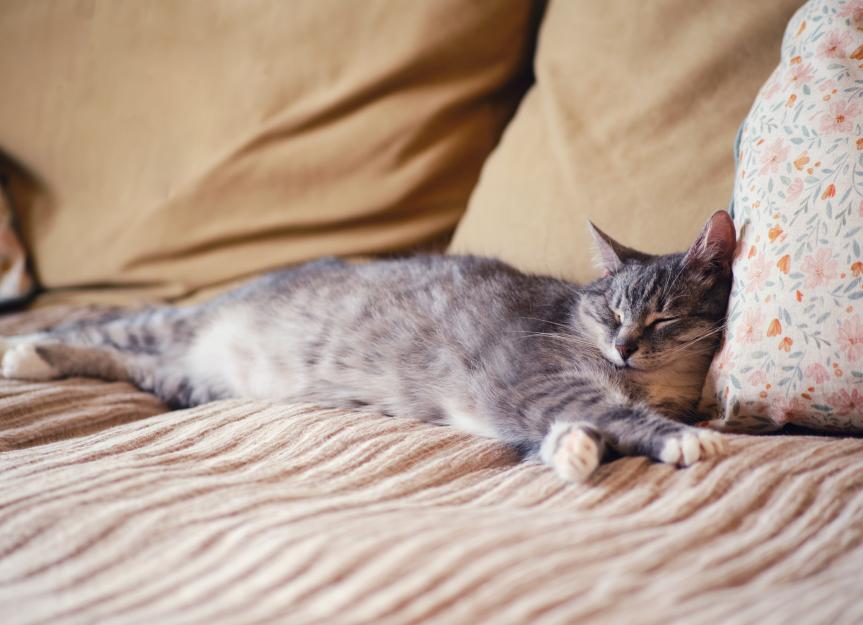
Signs that your cat is dying include changes in behavior, appetite, energy level, and physical health, often indicating that your cat may need veterinary assistance.
Even if it's expected, the end of a beloved pet's life is always devastating. Our pets are part of our family and there is no easy way to deal with the grief that accompanies their final days.
The best thing pet parents can do, both for themselves and their pets, is to prepare.
Key takeaways
- Signs that your cat is dying include behavioral and physical changes.
- Common symptoms include weight loss, lethargy, hiding, and loss of appetite.
- Contact your veterinarian immediately if you notice any sudden changes.
- End-of-life care may include palliative care, or euthanasia.
What are the signs that a cat is dying?
Signs that your cat is dying include behavioral changes as well as physical symptoms.
The final days of a cat's life vary depending on the cat and its health history, says Michael Kearley, DVM. So learning to tell if your cat is dying often comes down to observing them and noticing changes in their routine and personality.
Behavioral signs that your cat is dying
Behavioral signs that your cat is dying include changes in its personality, activity level, and interaction with its environment.
“I think part of this dying process happens when the body starts to shut down and those mental faculties disappear,” Dr. Kearley says. “A lot of these dying cats are less responsive and less responsive.”
Changes in behavior are something only a pet owner will notice, so contact your veterinarian if your cat suddenly acts differently.
Physical Signs Your Cat is Dying
Physical signs that your cat is dying include visible health changes such as weight loss, lethargy, and breathing problems.
Contact your veterinarian immediately if you notice any of these symptoms.
What to do if you think your cat is dying
If you think your cat is dying, contact your veterinarian immediately for evaluation and support.
The above symptoms indicate that your cat needs a professional diagnosis. If your veterinarian detects a terminal illness, he or she will help you develop an end-of-life plan, which may include treatment, palliative care, or euthanasia.
“We want a cat to have as peaceful a death as possible and a good death,” says Dr. Kearley. “This is euthanasia.”
Palliative care may include medications, rehabilitation therapy, and environmental adjustments such as raised food bowls, low-entry litter boxes, and ramps.
“There are many things that pet parents and veterinarians can have together, in partnership. [prepared] in advance to make this transition as peaceful as possible,” says Dr. Kearley.
Stages of cat death
The stages of cat death vary, but veterinary-guided care helps ensure a peaceful and pain-free process.
Euthanasia is often the most peaceful way for a cat to die at the end of its life.
“Cats should not have to go through the stages of death without veterinary care,” says Heather Loenser, DVM, chief veterinarian at Suveto Veterinary Health. “The hospice and hospice veterinary teams can help explain the stages of death for your particular cat.”
During euthanasia, your veterinarian will administer medication to relax your cat before giving the final injection. Your cat may twitch or take deep breaths before passing.
Without euthanasia, death can result in labored breathing, low body temperature and immobility, which can be painful and prolonged.
Signs Your Cat is Dying FAQ
How do I know if my cat is dying?
A terminally ill cat may exhibit behavioral and physical symptoms such as weight loss, lethargy, hiding, and loss of appetite.
What happens just before a cat dies?
A cat's final moments may include deep breathing, twitching, or loss of bladder control as the body relaxes.
Do cats know when they die?
There is no evidence that cats understand death, but they may respond to pain or discomfort.
While humans can understand the prognosis of an illness or condition, a cat “only sees what's in front of him,” Dr. Kearley says.
How can I help my cat die peacefully?
You can help your cat die peacefully by working with your veterinarian to provide palliative care, pain management, or humane euthanasia.