
When it comes to dogs for dogs, one size is not all suitable. In fact, the size of a dog is an important factor to consider when choosing pet food.
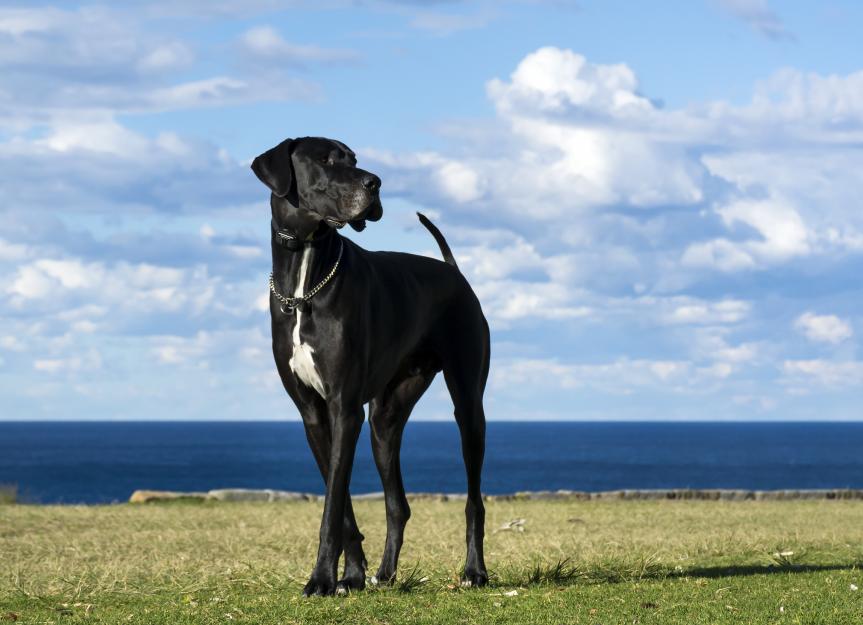
Dogs weighing more than £ 55 in ideal body weight, such as golden and labrador retrievers, and giant dogs (weigh more than 100 pounds in ideal body weight) as large Danes, can benefit from eating a large breed dog food. This is because large and giant dog breeds have a higher predisposition for common problems. In addition, some large breed dogs may have indigestion, which requires to pay extra attention to what you feed and how you feed them to avoid causing them discomfort.
The type and amount of food you feed large dogs can have a positive or negative impact on their health. As a pet parent can understand what makes big breed dog food differently, why it means something and how you feed your great breeding puppy or adult can help them stay healthy and happy. When questions arise, do not hesitate to talk to your veterinarian about the most suitable food for your large or giant breed dog.
What makes big breed dog food different?
When it comes to the differences between feeding large dogs and small, the devil is in the details. One thing that makes some big breed dog food different is the kibble size: bigger kibbles for larger mouths. Larger kibbles can help to encourage dogs to actually chew the food instead of splitting the whole. Sufficiently chewing dog food cibbles with appropriate size can have several advantages, including improved digestion and happy brain chemicals.
Some additional benefits of large breed dog food may include:
Feeding your great breeding puppy
If you have a large breeding puppy, note: what you feed them and how much you feed them can now affect their common health for the rest of your life. Genetics, training and nutrition all play a role in the health of large breeding puppies, and any problems in these areas can predispose a puppy to challenging and uncomfortable development conditions such as hip dysplasia.
But the reverse is also true: Feeding the right amount specifically formulated large racial puppy food to a large breeding puppy can support growing bones. Compared to regular puppy food, large breed of puppy food is usually less calorie and contain slightly lower levels of phosphorus and calcium. In addition, an 18-month study showed that puppies can benefit from consuming a food with higher levels of antioxidants and omega-3 fatty acids, seen through a positive impact on cartilage turnover markers in dogs that were fed test food.
In addition to choosing the right food, it is equally important to feed suitable parts, as over feed can cause major problems in the long term. Large breeding puppies and adults do best with meal food to check parts. Large breed puppies should be fed puppy food until they stop growing, which is usually about 12-14 months for large breeds and 18-24 months for giant phases. If you are not sure when switching to adult food or how much to feed your puppy, ask your veterinarian.
Dog food to your big breed adult and older dog
When your big breed dog grows out its puppy food, it is still important to continue feeding them a large breed of dog food that is formulated for adults. This can help maintain a healthy body weight and may contain certain nutrients to support your adults or older dogs.
For older dogs, this is equally important; The food you give an older dog can affect their quality and amount of life. 2023 American Animal Hospital Association's guidelines for senior care for dogs state that older dogs have a reduced metabolism compared to younger dogs. Therefore, nutritional needs can be changed. A veterinarian can help identify your dog's specific dietary needs as they age.
Large racial food that is formulated for seniors can help reduce unhealthy weight gain, keep their energy levels stable and may also contain balanced fiber to support normal digestion. Senior food also often contains higher levels of antioxidants to support the immune system and internal organ health.
For seniors also how much you feed and how you feed matter. Large and gigantic breed dogs are exposed to inflating, a life -threatening stomach condition. You can reduce your dog's risk by breaking their daily amount of dog food into two or three meals instead of just one. If your dog gabs the food too fast, you can slow them down by putting their kibble in a food puzzle or by spreading kibble on a baking plate. It can also help avoid moisturizing dry food and limit intense exercise just before or after meals.
Nourishing your soft giant
Although you cannot always protect your dog from illness or injury, you can support their lifelong health with your veterinarian's guidance and nutrition that is formulated for their large size.
Frequently asked questions
What is considered a big breed dog?
Dog breeds that have a normal adult weight between £ 55 and 100 are considered large breeds. Giants are dogs that have a normal adult weight of more than 100 pounds. Keep in mind that some medium -sized dogs may weigh over £ 55 if they are overweight, but they are not considered a big breed.
How much should I feed my big breed dog?
How much you should feed your large breed dog depends on what their healthy adult weight is. If you know their normal adult weight, you can use the feeding guide on the dog food bag to determine how much you should feed your dog. If you are unsure, ask your veterinarian how much your dog should weigh and how much to feed them. Your dog should keep its weight on the food. If they gain or lose weight, talk to your veterinarian. They can help you create a plan and adjust how much you feed them.
How can I support my big breed dog's leaders?
You can help support healthy joints by keeping your dog in a healthy weight, providing opportunities for moderate exercise daily and giving your dog a high quality dog food specifically indicated for joint health. Talk to your veterinarian for recommendations about the best big rasp food for your dog.
What are common common disorders in large breed dogs?
Large and gigantic breeds are available for several developmental disorders, including hip dysplasia, elbow dysplasia and osteochondrosis. They also risk tearing their front cruciate ligament. Due to their size and weight, large and gigantic breeds also have an increased risk of osteoarthritis, a painful condition caused by the degradation of cartilage in the joints, leading to inflammation and loss of mobility.
What are the benefits of dry food?
Dry Food offers complete and balanced nutrition, in addition to convenience, a long durability, easy part control and lower cost than other pet food options.