
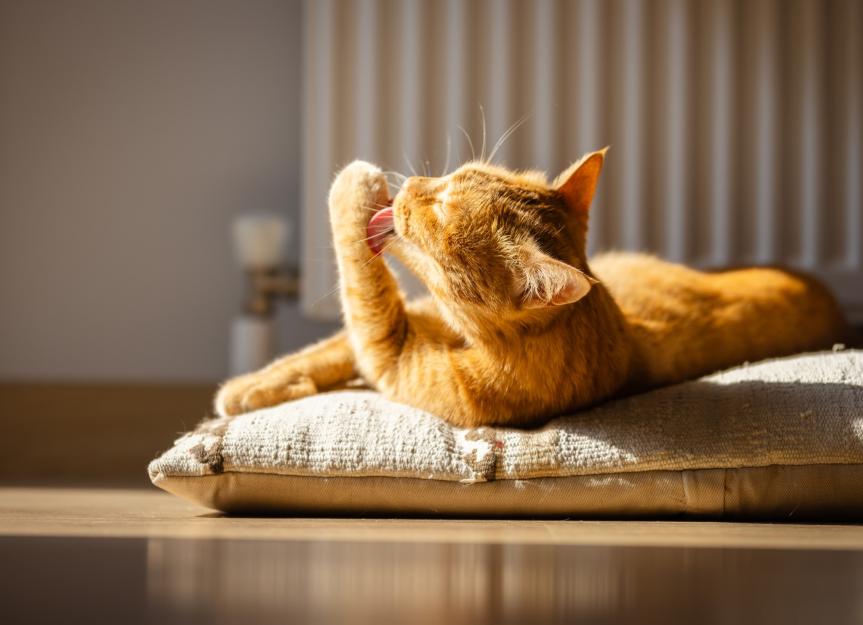
Thanks to advances in feline health care, cats now often live to old age. Medically, cats are considered seniors starting at age 10, but they can live at this stage of life for 10 years or more with good genetic health and consistent care.
Here are some ways to ensure your cat's golden years are their best.
Key takeaways
- Senior cats require biannual veterinary visits to quickly detect age-related problems and adjust care plans if necessary.
- All cats, including seniors, need mental stimulation, exercise and a proper diet to stay healthy.
- Never assume that a new behavior in your older cat is simply due to age; take them to the vet if you notice they are acting differently.
1. Ensure regular visits to the veterinarian
Age itself is not a disease, but older cats are more prone to developing health problems like kidney disease or gastrointestinal illness. Cats are very good at hiding illnesses at home, so it is essential that they visit their veterinarian regularly in their advanced years.
Examinations, blood tests and weight checks every six months are recommended. Regular check-ups help detect illnesses at an early stage, when they are still manageable. They also allow you to discuss changes in diet, exercise and behavior that may occur as your cat ages.
2. Reevaluate their diet
Although researchers agree that the nutritional needs of older cats change with age, exactly how to manage these changes remains controversial.
The majority of healthy older cats can probably continue on the adult maintenance diet they know and love. In fact, a study comparing commercially available senior and adult cat diets found no statistical difference between them in the nutrition they provided.
However, your senior cat's individual nutritional needs should be discussed with your veterinarian. Your older cat may need a change in diet to improve their health. For example:
-
Cats with early kidney disease will benefit from lower levels of phosphorus, sodium and protein.
Often, your veterinarian will recommend a veterinary product for these needs because it has the best quality control and evidence-based formulas. If you're looking for over-the-counter products, you and your veterinarian can look at the nutrition label together to see if the diet meets your cat's needs.
3. Increase access to water
Kidney function declines as cats age. And although it doesn't always show up on blood tests, all older cats benefit from increased water consumption.
Make sure your senior cat has multiple water sources so she doesn't have to work hard to find water. Picky drinkers may benefit from a wetter diet or water fountains that allow cool water to flow.
4. Improve access to the litter box
Joint pain and cognitive decline in some older cats can lead to difficulty using the litter box, which can be stressful for both you and your cat.
Help your cat go more easily by placing a litter box on each floor in multi-story living spaces. Older cats often prefer lower, wider, uncovered boxes that are easier to get in and out of.
If your older cat is having trouble accessing the litter box, have him checked by your veterinarian for arthritis, kidney problems, or gastrointestinal issues.
5. Don’t neglect their dental health
Older cats have the same teeth as when they were 6 months old. But years of wear and changes in oral bacteria can lead to dental health problems in older cats that affect appetite and grooming.
Routine tooth brushing, oral care regimens, and anesthetic dentistry in young cats will help protect them from the need for surgical dental care as seniors.
Unfortunately, oral health problems such as fractured teeth, cancerous masses, and periodontal disease can occur in older cats, even with the best preventive care.
Many older cats can safely undergo anesthesia, and your veterinarian can help you assess the risks based on your cat's individual health.
6. Routine grooming and nail care
Older cats are more prone to physical and cognitive decline which affects their ability to groom themselves and maintain their nails.
Especially for medium and long haired cat breeds, gently brushing them every day can help prevent their fur from tangling and avoid a stressful trip to the vet or groomer.
Trim your cat's nails at least once a month to prevent overly long claws from growing into your cat's pads or getting stuck in carpets or furniture.
7. Watch for subtle signs of pain and illness
Cats don't want you to know when they aren't feeling well, so it's important to know. take any change in behavior or appetite very seriously.
Common changes that pet parents misinterpret as normal aging problems include:
Although they may be related to cognitive changes, it is best to have your cat evaluated for more serious or painful conditions if you notice any of these signs.
8. Minimize stress and change
Avoid disruptive changes in your older cat's environment if possible.
Having a new puppy or kitten can be tempting when living with an older cat, but older felines don't always appreciate their activity level. Make sure your senior cat has a quiet place to spend some time alone if he wants.
A consistent feeding and play routine can also greatly help cats suffering from cognitive decline.
9. Ensure accessibility
Some of your cat's favorite activities and relaxation spots may become more difficult to access as he grows.
Ramps, stairs, and window perches are great additions to your cat's environment to help him continue to do his favorite activities despite limited mobility due to arthritis or other conditions.
10. Provide exercise and mental stimulation
Older cats may not have the athletic abilities they had in their youth, but they still benefit from exercise to keep their muscles in shape and games to keep their minds sharp.
Consider daily play (although short and low impact) with a feather toy or ball.
Stationary track toys can provide stimulation without excess athleticism. Puzzle feeders or indoor hunting kits placed in easy-to-access locations can also help your senior cat maintain their cognitive best.