Along with all the other tasks involved in caring for a horse, taking the time to regularly check pastures and hay for weeds or other unwanted surprises is an important habit for any attentive horse owner.
One of the most important weeds to watch out for is nightshade. The plants in the Solanaceae The nightshade family, like nightshade, is extremely toxic to horses, and although most horses don't find them very palatable, their powerful toxins still make them a serious concern.
Key takeaways
- The berries and leaves of a nightshade are the most toxic parts; even ingesting very small amounts can cause illness in horses.
- Nightshade plants contain substances called steroid alkaloids that block the triggering of neurotransmitters.
- Common symptoms of nightshade poisoning include colic and neurological changes like depression and muscle weakness.
- If you suspect nightshade poisoning in your horse, contact your veterinarian immediately and if possible, keep the plant on hand to aid identification.
What is nightshade poisoning in horses?
Nightshade poisoning occurs when a horse eats portions of a nightshade plant. The leaves and berries are the most harmful parts of the plant, as they contain the highest concentrations of toxic substances called steroid alkaloids.
These toxins harm horses by interfering with neurotransmitters in the nervous system, preventing the nerves from sending signals as they should. When these signals are disrupted, multiple organ systems can be affected, including the digestive tract, heart, lungs and nervous system, leading to serious health problems.
Symptoms of Nightshade Poisoning in Horses
When a horse is exposed to a nightshade plant, its toxins can disrupt normal neurotransmitter activity, affecting multiple organ systems and causing the following symptoms:
-
Colic (abdominal pain): rolling, pawing, biting on the sides
Causes of Nightshade Poisoning in Horses
Nightshade plants are an undesirable food source for horses, and most will avoid them if offered other options. However, when pastures are overgrazed and forage is limited, horses may turn to nightshade simply because they have no better options.
Most poisonings occur when a nightshade is accidentally baled into hay or made into food. For this reason, horse owners and stable managers should always inspect each horse's food before feeding it.
How Veterinarians Diagnose Nightshade Poisoning in Horses
If you suspect nightshade poisoning in your horse, whether due to symptoms or because you found the plant in a haystack or nibbled in the pasture, call your veterinarian immediately.
Your veterinarian will perform a complete workup, including a physical exam and blood tests, to determine the severity of the poisoning. Some of these tests can be done “stall side,” but others can take days or even weeks to get results. In the meantime, your veterinarian will begin supportive care based on the presumptive diagnosis.
Treatment of Nightshade Poisoning in Horses
If nightshade poisoning is diagnosed, treatment consists primarily of supportive care, including pain relievers like Banamine and IV fluids with or without electrolytes.
Severe cases may require hospitalization and medication, such as neostigmine, to help reverse or at least decrease the effects of the toxin on neurotransmitters.
Recovery and Management of Equine Nightshade Poisoning
Recovery from nightshade poisoning depends largely on the severity of the horse's condition.
In mild cases, horses can recover with prompt treatment, but in more serious situations, the damage can be life-threatening. Mild cases often require time, supportive care and pain management for a horse to recover. Some residual side effects may be seen, such as weakness, but in most of these cases there are no long-term consequences.
Some horses may die from complications, such as difficulty breathing or coma, while others may need to be humanely euthanized due to severe symptoms like intense colic or paralysis.
It is very important to eliminate all possible sources of nightshade to avoid continued exposure of your horse. This means checking all hay and feed before distributing it, and walking fields and pastures to check for nightshades.
Prevention of nightshade poisoning in horses
Horse owners can take several steps to prevent nightshade poisoning, including:
-
Ensuring grazing horses have sufficient access to feed, especially when the grass is gone for the winter, supplementing hay if necessary
Nightshade Poisoning in Horses FAQs
What are the symptoms of plant poisoning in horses?
The first symptoms seen with nightshade poisoning often mimic signs of colic, such as rolling, stomping, and side biting. In more severe cases or as the disease progresses, additional symptoms may include depression, dilated pupils, muscle tremors, weakness, and collapse. If you have any concerns about nightshade poisoning, contact your veterinarian immediately.
How toxic is nightshade to livestock?
Horses appear to be most susceptible to the toxic effects of nightshade, although the plants are also toxic to cattle, sheep and goats.
What does poisonous nightshade look like in a horse's pasture?
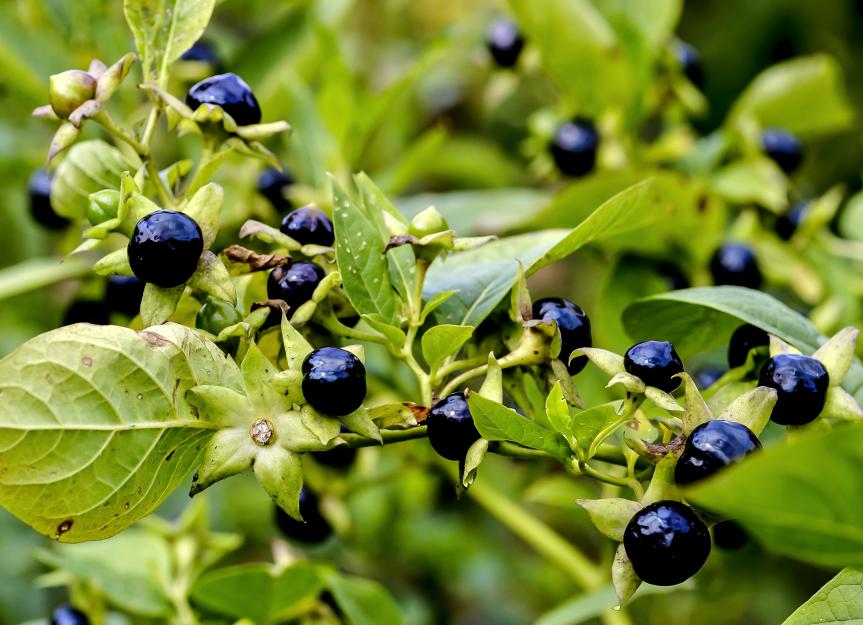
There are several species of plants in the nightshade family, but most are green with small flowers and green berries that turn purple or black when ripe.