
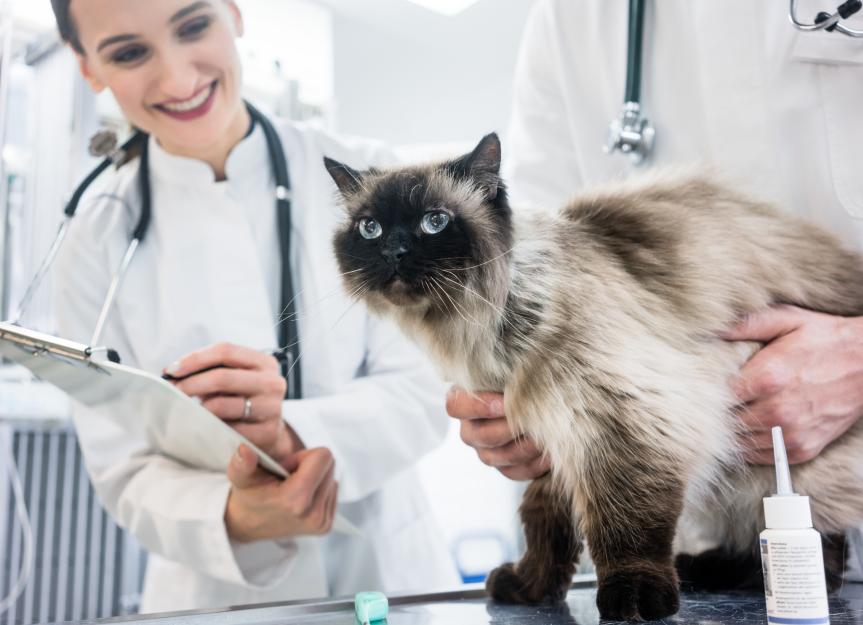
Aspiration pneumonia is a serious illness caused by accidental inhalation of a foreign substance into the lungs. Although aspiration pneumonia is rare in cats, it is life-threatening and requires immediate veterinary treatment.
Let's take a look at everything you need to know about aspiration pneumonia in cats.
Key takeaways
- Aspiration pneumonia in cats is a potentially fatal illness that occurs when substances such as vomit or liquid medications enter the lungs, causing inflammation and infection.
- Common signs include cough, difficulty breathing, fever, lethargy and loss of appetite. Prompt veterinary care is essential to achieve the best results.
- Most cats recover with prompt treatment, such as antibiotics and supportive care, but severe cases may require prolonged hospitalization and monitoring.
What is aspiration pneumonia in cats?
Aspiration pneumonia in cats occurs when a feline accidentally inhales a substance, such as vomit or liquid medication, into its lungs.
These substances cause significant lung inflammation and can lead to secondary bacterial infection. This causes difficulty breathing, lethargy and coughing, and interferes with the lungs' ability to move oxygen in the blood.
Aspiration pneumonia is a medical emergency that should be treated immediately by a veterinarian. Prompt diagnosis and treatment are essential to achieve the best results.
Symptoms of Aspiration Pneumonia in Cats
The most common symptoms of aspiration pneumonia in cats include:
Causes of Aspiration Pneumonia in Cats
Aspiration pneumonia in cats can occur in any pet, but it is more common in kittens, older adults, and those with underlying health conditions, such as feline leukemia virus (FeLV).
Brachycephalic (flat-faced) cat breeds, such as Himalayans, are at higher risk of inhaling food or other substances due to their abnormal airways.
The most common causes of aspiration pneumonia in cats include:
How Veterinarians Diagnose Aspiration Pneumonia in Cats
Aspiration pneumonia in cats is diagnosed based on your cat's history, physical examination, and diagnostic test results.
You should tell your veterinarian when symptoms started and if your cat has vomited, has an underlying health problem, or has been given liquid medications.
The veterinarian will examine your cat thoroughly, paying particular attention to any abnormal lung sounds, such as wheezing. If your veterinarian suspects that your cat has aspiration pneumonia, he or she may recommend additional diagnostic tests, such as:
-
Radiographs (X-rays): Images of your cat's lungs may be taken to look for areas of inflammation or infection. Images of your cat's esophagus may also be obtained to look for abnormalities, such as megaesophagus, that may increase the risk of aspiration.
-
Bronchoalveolar washing: In some cases, a saline solution is infused into the airways and then suctioned back to collect the cells. The sample is tested in a veterinary laboratory to determine if an infection is present and to identify the bacteria causing the infection.
-
Blood test: Although blood tests alone cannot confirm aspiration pneumonia, they provide information about the cat's overall health, which can be helpful in treatment planning.
Treatment of Aspiration Pneumonia in Cats
Treatment for aspiration pneumonia in cats focuses on managing symptoms and inflammation and eliminating the infection.
Cats often require hospitalization for close monitoring during treatment.
Most cats recover after three days in the hospital, but some cats remain hospitalized for up to three weeks.
One study found that the survival rate of cats diagnosed with aspiration pneumonia was 89%.
Potential treatments that may be administered during hospitalization include:
-
An antibiotic, such as Clavamox, to treat the bacterial infection
-
A bronchodilator, such as terbutaline, to open the airways
-
An antiemetic, like Cerenia, to prevent vomiting
Recovery and Management of Aspiration Pneumonia in Cats
While recovering, provide your cat with a private, quiet space to rest. Adding a humidifier to this area can help humidify the airways and aid recovery.
Cats are sent home on antibiotics, such as doxycycline, for about two weeks, followed by a veterinary exam including x-rays.
Additional antibiotics may be prescribed if the pneumonia is not completely resolved. Frequent checks will be necessary until the pneumonia is completely resolved to ensure the cat's condition remains stable and the treatment is working.
Recovery from aspiration pneumonia can take as little as three days for mild cases and up to several months for cats with severe symptoms or other underlying health problems.
You should give your cat all prescribed medications and attend all follow-up visits recommended by your veterinarian for the best results.
Prevention of Aspiration Pneumonia in Cats
To reduce the risk of aspiration pneumonia in your cat, you can take the following steps:
-
Manage underlying health conditions, such as megaesophagus, that increase the risk of aspiration.
FAQs about Aspiration Pneumonia in Cats
How long does it take for a cat to recover from aspiration?
Most cats recover within three days after appropriate treatment. However, in moderate and severe cases, recovery may take three weeks or more.
How do you know if a cat is aspirating?
If a cat starts coughing or wheezing after eating or vomiting, it may have aspirated. If aspiration did occur, these symptoms would persist and worsen, warranting veterinary attention.
What are the first signs of aspiration pneumonia?
Often, the first signs of aspiration pneumonia are coughing, wheezing, and difficulty breathing. You may also notice that your cat is not eating well and seems more tired than usual.
What is the survival rate for aspiration pneumonia?
One study found that the survival rate of cats with aspiration pneumonia was 89%.