
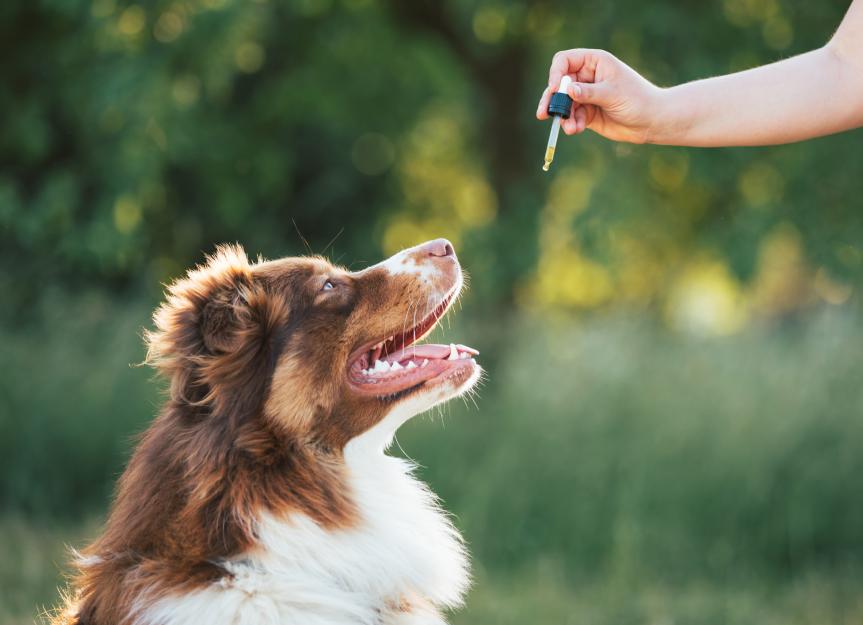
CBD oil for dogs is often considered a potential option for managing conditions such as pain, anxiety, and inflammation, but its use remains controversial.
In humans, CBD is used to help manage issues such as chronic pain, anxiety, inflammation, and sleep disorders. Dogs can experience similar health issues, which has led to a growing interest in CBD products for pets.
However, according to the American Veterinary Medical Association's (AVMA) resource on cannabis use and pets, there is currently not enough scientific evidence to confirm that CBD is safe or effective for dogs.
Due to the potential risks and limited research, you should never give CBD products to your dog without first consulting your veterinarian.
Key takeaways
- Never give CBD oil to your dog without first talking to your veterinarian.
- It's unclear whether CBD can help dogs. Studies are still underway to determine the benefits.
- Contact your veterinarian immediately if your dog experiences any side effects after ingesting CBD.
What is CBD oil?
CBD (cannabidiol) is a compound derived from the cannabis or hemp plant that is commonly formulated into an oil.
CBD can be extracted from plant sources or produced synthetically in the laboratory. Although some studies suggest potential medical benefits, research into its safety, effectiveness, and long-term effects, particularly in animals, is currently limited.
Cannabis plants contain many active compounds, but the two best known are:
- CBD (cannabidiol)
- THC (tetrahydrocannabinol)
The main difference between them is that THC is psychoactive, meaning it can cause a “high”, whereas CBD is not psychoactive.
CBD is most commonly found in oil form, while THC can be found in various forms, including plant form.
In humans, CBD interacts with receptors throughout the body, including the brain, nervous system, and other organs, to influence certain physiological processes. However, how these effects translate to dogs is still being studied.
Is CBD Oil Safe for Dogs?
There is currently not enough scientific evidence to confirm that CBD oil is safe for dogs.
As research is still limited, it is essential to consult your veterinarian before giving your dog a CBD product. Your veterinarian can help you weigh the potential risks and benefits and determine whether CBD is appropriate for your dog's specific situation.
If CBD is recommended, your veterinarian will also provide advice on safe dosing and product selection.
A significant concern is that CBD may affect liver enzymes, which play a key role in how the body processes medications. This means that CBD could interfere with other medications your dog is taking and potentially cause unwanted effects.
Possible Benefits of CBD Oil for Dogs
Research into the potential benefits of CBD oil for dogs is ongoing and current evidence is limited.
Although some studies and anecdotal reports suggest possible uses, additional research is needed to confirm safety and effectiveness.
Areas studied include:
Symptoms of CBD Oil Toxicity in Dogs
CBD oil can cause side effects in dogs and in some cases lead to toxicity or adverse reactions.
Possible symptoms include:
Contact your veterinarian and the Pet Poison Helpline® (855-764-7661) immediately if your dog exhibits these symptoms while taking a CBD supplement.
They may recommend that you take your dog to the nearest veterinary hospital for evaluation and treatment.
Should You Give Your Dog CBD Oil for Pain?
CBD oil may help some dogs with pain, but it should not be used without the advice of a veterinarian.
One of the first studies of CBD in dogs, conducted by the College of Veterinary Medicine at Cornell University, evaluated the effects of CBD on pain in dogs with osteoarthritis.
In this study, more than 80% of dogs showed a reduction in pain, which led to improved comfort and activity levels. However, the doses used in the study were relatively high, raising concerns about short-term safety and potential side effects.
With research still limited, CBD should not be the first option for managing pain in dogs. Instead, it is recommended that your dog be evaluated by a veterinarian first.
Proven treatments may include:
Your veterinarian can help you determine the safest and most effective treatment plan for your dog's specific condition.
Should You Give Your Dog CBD Oil for Seizures?
CBD oil is currently not recommended as a primary treatment for seizures in dogs.
Research from Colorado State University (CSU) explored the use of CBD in dogs with epilepsy. The goal is similar to that of traditional anti-epileptic drugs: to reduce the frequency of seizures while minimizing side effects.
In one study, 89% of dogs experienced fewer seizures when given CBD. However, it is important to note that all dogs in the study were also taking conventional antiepileptic medications, such as phenobarbital or potassium bromide.
Ongoing research at CSU continues to evaluate the safety, effectiveness, and potential interactions of CBD with other medications.
Since definitive conclusions have not yet been established, CBD should not replace standard seizure treatments.
If your dog has seizures, work closely with your veterinarian to determine the safest and most effective treatment plan using proven therapies.
Should You Give Your Dog CBD Oil for Anxiety?
CBD oil is not currently a first-line treatment for anxiety in dogs.
Some early studies suggest potential benefits. In one study, 83% of dogs showed a reduction in stress or anxious behaviors after receiving a CBD chew before a stressful event.
Additional research, including a study conducted in Western Australia, has shown that CBD may help reduce reactivity in shelter dogs. However, these results are still preliminary and more research is needed to determine effective dosage, product types, and long-term safety.
For this reason, CBD should not replace established therapeutic approaches.
For dogs with anxiety or behavioral issues, it is recommended to work with your veterinarian or a certified dog trainer or veterinary behaviorist.
Proven management strategies may also include supplements such as Purina® Pro Plan® Calming Care or VetriScience® Composure.
These options are often more suited to mild behavioral problems and can be used as part of a structured behavior plan.
How Much CBD Oil Can Dogs Have?
There is no universally established safe dosage of CBD oil for dogs.
The appropriate amount can vary greatly depending on several factors, including:
- Your dog's age, height and weight
- Individual response to CBD
- The condition to be treated
- The specific product used (concentration, purity and formulation)
CBD products intended for pets generally contain lower concentrations than those intended for humans, but dosage can still vary greatly between brands.
Due to these variables, it is essential to consult your veterinarian before giving your dog a CBD product. Your veterinarian can help you determine whether CBD is appropriate and advise you on a safe starting approach.
Security and surveillance
If CBD is used, monitor your dog closely for signs of adverse effects or toxicity, including changes in behavior, appetite, or physical condition.
If you notice any worrying symptoms, contact:
- Your veterinarian
- Pet Poison Helpline® (855-764-7661)
- A local veterinary emergency hospital
It is important to act quickly if a reaction occurs.
CBD Oil for Dogs FAQs
Is CBD Oil Safe for Dogs?
There is not enough scientific evidence to confirm that CBD oil is safe for dogs.
As research is still limited, it is important to consult your veterinarian before giving your dog any CBD product.
What are the side effects of CBD oil in dogs?
CBD oil may cause side effects such as diarrhea, vomiting, agitation, and changes in heart rate or breathing.
If your dog experiences any unusual symptoms after taking CBD, contact your veterinarian immediately.
Can CBD Oil Help Dogs With Pain or Anxiety?
Some early studies suggest that CBD may relieve pain or anxiety in dogs, but the results are not yet conclusive.
CBD should not replace proven treatments and any use should be discussed with your veterinarian.
Can a dog overdose on CBD oil?
Yes, dogs can experience adverse effects if given too much CBD.
Signs of toxicity may include lethargy, vomiting, or abnormal behavior. Seek veterinary care if overdose is suspected.