
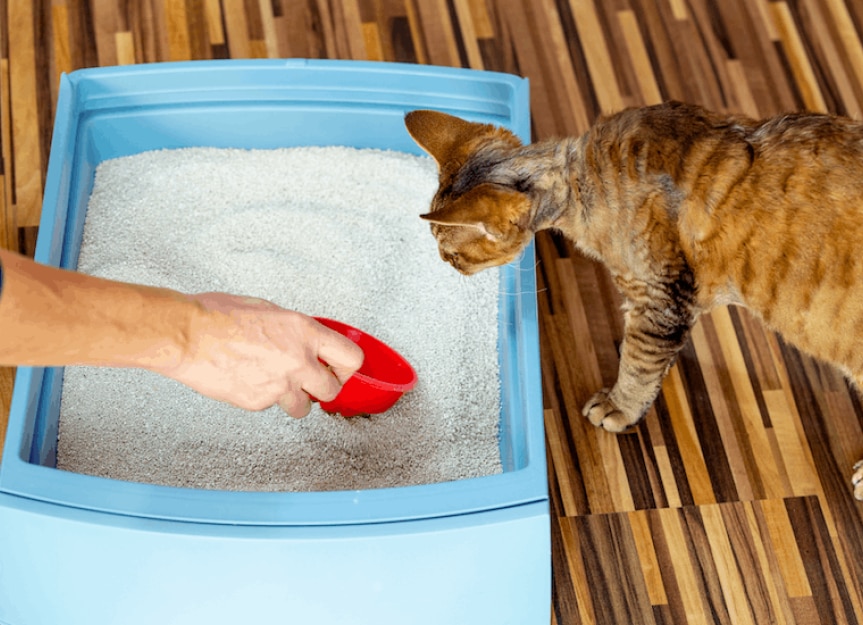
If your cat isn't using the litter box, it could be due to a medical problem, stress, or even a problem with their litter box.
If this behavior appears suddenly, it is important to consult your veterinarian first to rule out any underlying medical problems.
Once medical causes are ruled out, the litter box may not be up to your cat's standards.
Understanding common mistakes can help you identify the cause and encourage your cat to return to using the litter box consistently.
Download PetMD's guide to litter box troubleshooting: Litter Box Problems in Cats. A Spanish version of the guide is also available.
Key takeaways
- If your cat is not using the litter box, it may be due to a medical, behavioral, or environmental problem.
- Common mistakes include dirty litter boxes, poor placement, and not having enough boxes.
- Straining, crying, or frequent attempts to use the box may signal a medical problem.
- Creating a clean, quiet, and stress-free litter box setup is essential to encouraging consistent use.
1. Not using the right litter
Using the wrong type of litter is one of the most common reasons why a cat won't use their litter box.
Cats can be very particular about their litter, especially when it comes to smell and texture.
Strongly scented litters are often designed based on human preferences and not for cats. Since cats have a very sensitive sense of smell, scents and fragrances can be overpowering and cause them to avoid the litter box altogether.
Additionally, some cats are sensitive to the feeling of litter under their paws. You may need to experiment with different types of cat litter to find the one your cat prefers.
Research on cat litter preferences shows that cats tend to favor:
- Unscented litter
- Dust-free formulas
- Clumping litter
Choosing the right litter can make a significant difference in encouraging proper litter box use.
2. Not keeping the litter box clean enough
A dirty litter box is a common reason why a cat stops using it. Cats are naturally clean animals and often refuse to use a soiled cage.
To keep the litter box clean, scoop it at least once a day, sometimes more often, depending on your cat's habits and the number of cats and boxes you have.
At least once a week, throw out all the litter, scrub the box completely with an unscented cleaner, and refill it with fresh litter.
Since most litter boxes are plastic, they trap odors, so replace them once a year.
3. Placing the litter box in the wrong place
A poorly placed litter box can cause a cat to avoid using it.
Cats prefer a quiet, private and easily accessible place.
Avoid areas near noisy appliances like washing machines or dryers, as sudden noises can frighten your cat and discourage use.
Make sure your cat can use the box without being disturbed by young children, dogs or other pets.
The box should also be easy for your cat to access. They shouldn't have to travel long distances to get to the box. In multi-story homes, place at least one box on each floor.
4. Not using the right litter box
Using the wrong litter box can make your cat uncomfortable and cause him to avoid the litter box.
Cats generally prefer larger boxes that allow them to move around freely. Make sure the litter box is at least 1.5 times the length of your cat.
Senior cats or those with mobility issues (such as arthritis) benefit from low-profile litter boxes. This makes entry and exit easier without pain.
Litter box hoods are also problematic for many cats. Although hoods provide privacy, they also create a dark environment with only one entrance or exit. Because cats are not only hunters but also prey, they need to be able to see what is going on around them.
Additionally, hoods tend to trap odors and dust that your cat might find less appealing. A hooded litter box may simply be an invitation for your cat to find somewhere else to eliminate.
5. Not having enough litter boxes
Too few litter boxes can lead to stress, competition, and litter box avoidance, especially in multi-cat households.
Many cats prefer not to share their litter box. Some may even choose to urinate in one box and defecate in another.
To reduce conflicts and encourage proper use, provide one litter box per cat, plus one additional box. So if you have two cats, that means keeping three litter boxes inside the house.
This helps avoid:
6. Not noticing changes in urination
Changes in your cat's urine may be an early sign of a medical problem.
Scooping out the litter box is a daily task, but it's important to be careful about what you remove.
Monitor changes in:
- Size of urine clumps
- Urination frequency
- Color or consistency
If you notice larger or more frequent clumps of urine, it means your cat is peeing a lot more than usual. This may indicate a health problem and should prompt a trip to the veterinarian.
7. Ignoring strange litter box behavior
Unusual behavior in the litter box is often a sign of an underlying medical problem.
Watch for changes such as:
- Crying or vocalizing in the litter box
- Going in and out of the box repeatedly with little or no result
- Suddenly I come out of the box like I'm surprised
These behaviors may indicate pain, discomfort, or urinary problems. If you notice any of these signs, contact your veterinarian.
8. Making too much noise near the litter box
Loud or unpredictable noises near the litter box can frighten your cat and cause him to avoid it.
Common problem areas include:
- Laundry rooms (washers and dryers)
- Garage
- Kitchens
- Children's play areas
Self-cleaning litter boxes may also frighten some cats. However, many of these devices come with a timer that waits for the cat to leave the box to release the cleaning arm, so as not to surprise them.
9. Place the litter box where the dog can access it
Dogs and other pets that interfere with the litter box can cause stress and lead to avoidance.
If your dog has access to the litter box:
- They can eat feces, which can spread disease and cause digestive problems.
- They can ingest trash, which can be harmful
- Their presence can put your cat in danger when using the box.
Even brief interruptions can cause your cat to look for a different, less desirable place to eliminate. That's why litter boxes should always be stored safely, away from dogs' prying noses and toddlers' fingers.
FAQs About Cat Not Using the Litter Box
Why doesn't my cat use the litter box?
Cats may stop using the litter box due to medical issues, stress, or issues with the litter box setup.
Common causes include infections, dirty litter boxes, poor location, or an aversion to the type of litter.
Should I take my cat to the vet for litter box problems?
Yes, especially if the behavior starts suddenly.
Medical problems such as urinary tract infections or pain can lead to litter box avoidance and should be ruled out first.
How many litter boxes should I have?
You should have one litter box per cat, plus one extra.
For example, if you have two cats, you should provide three litter boxes to reduce stress and competition.
What type of litter do cats prefer?
Most cats prefer unscented, clumping, dust-free litter.
Strong scents or unfamiliar textures can discourage cats from using the litter box.