
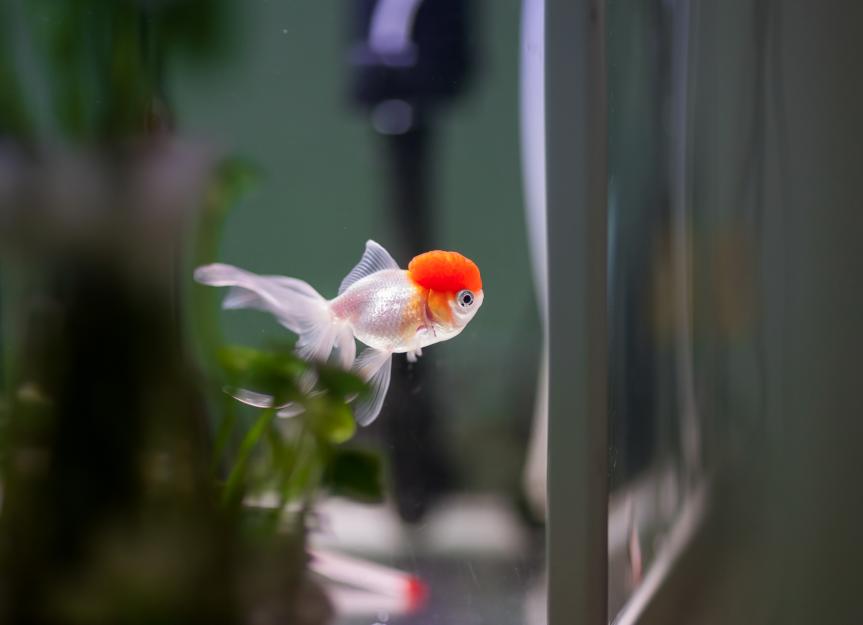
High levels of nitrates in aquarium water can lead to nitrate poisoning in fish, causing stress, illness and potentially death if not corrected.
Understanding how nitrate poisoning develops and how to prevent it is essential to maintaining a healthy aquarium.
Key takeaways
- Nitrate poisoning is caused by a buildup of nitrates in aquarium water.
- Common signs include lethargy, breathing problems and sudden death.
- Most fish tolerate up to 20 mg/L, but sensitivity varies by species.
- Treatment requires partial water changes to reduce nitrate levels.
- Prevention includes regular water testing and maintenance.
Summary
Nitrate is a byproduct of the nitrogen cycle that builds up in aquarium water over time. Nitrate forms when the nitrogen cycle converts fish waste (ammonia) into a less toxic compound.
Ammonia is very toxic and can quickly kill fish, while nitrate is less toxic because it is harder for fish to absorb through their gills.
Freshwater fish are generally more tolerant of high nitrate levels than saltwater fish, although sensitivity varies by species.
There are no visible signs of high nitrate levels, so it is necessary to test the water chemistry with an aquarium test kit.
In addition to causing toxicity in fish, high nitrate levels can cause algae blooms or blooms. Excessive algae can be dangerous for fish because it can reduce oxygen levels at night and cause pH fluctuations.
Live aquarium plants can help remove nitrates, but as they break down they can release ammonia into the system and restart the cycle.
Symptoms
Nitrate poisoning develops slowly and often goes unnoticed until symptoms appear.
Signs include:
- Lethargy
- Decreased appetite
- Irritation or redness of the skin
- Increased breathing
- Sudden death
Causes
Nitrate poisoning is caused by a buildup of waste and poor tank maintenance.
Nitrate levels increase over time if regular water changes are not performed or decaying plant matter is not removed.
Diagnosis
Nitrate poisoning in fish is diagnosed through water testing and assessment of tank conditions.
Nitrate poisoning can look like other conditions, including gill parasites or water quality problems such as high ammonia, nitrite levels, or inappropriate pH or temperature.
Your veterinarian should test the water quality using a liquid-based testing kit during your appointment. Test strips are not considered reliable for diagnosing water quality problems.
Bring a water sample to your veterinary appointment in a sealed container, separate from the container used to transport your fish.
Normal nitrate levels vary by species, but most fish can tolerate up to 20 mg/L. Some species are more sensitive and may show symptoms at lower levels.
Your veterinarian will evaluate all nitrogen cycle parameters to determine if another problem with your tank or filtration is present.
Treatment
Nitrate poisoning in fish is treated by performing partial water changes to reduce nitrate levels.
After confirming high nitrate levels through water testing, perform a water change by removing up to 50% of the water from the tank and replacing it with fresh water.
Starting with a 50% water change can significantly reduce nitrate levels and fish can begin to improve quickly. Full recovery may take several days to a week.
If you use tap water, add a water conditioner or dechlorinator to make it safe for fish.
Always match the pH and temperature of the new water to the existing tank water.
If the pH is very low due to low KH (carbonate alkalinity), you may be suffering from old tank syndrome and need to perform small water changes temporarily.
Using a gravel trap during water changes can help remove debris and improve overall water quality.
How to use a gravel siphon
A gravel siphon is used to remove debris from the aquarium substrate during water changes, helping to reduce nitrate buildup.
Follow these steps to use a gravel trap:
- Start the siphon so that water flows from the tube by suction or gravity.
- Insert the siphon into the substrate until it reaches the bottom of the tank.
- Allow the substrate to rise about a quarter to half the height of the rigid tube.
- Lift the siphon slightly to break the suction and allow the substrate to fall back.
- Allow debris and lighter waste to continue to flow through the tube.
- Repeat this process over the entire substrate until it is clean.
This method is one of the most effective ways to clean an aquarium because it removes debris trapped in the substrate.
Prevention
You can prevent nitrate poisoning in fish by maintaining water quality, adjusting diet, and managing aquarium conditions.
- Adjust the volume and frequency of water changes to keep nitrate levels within a safe range.
- Test aquarium water quality at least once a month and once a week when adding new fish, plants or invertebrates, changing diet or adjusting filtration.
- Use a liquid-based test kit according to the manufacturer's instructions, store it indoors, and replace it annually. Don't rely on test strips.
- Record your water test results regularly to track small changes over time.
- Review your fish's diet and avoid overfeeding them protein, which can increase ammonia and nitrate production.
- Add live aquarium plants to help reduce nitrate levels naturally
- Consider upgrading to a larger tank if nitrate levels remain difficult to control
- Test your water source, as tap water may contain nitrates, and opt for bottled spring water or reverse osmosis water if necessary.
Nitrate Poisoning in Fish FAQs
What causes high nitrate levels in an aquarium?
High nitrate levels are caused by waste accumulation, overfeeding and improper water changes.
What nitrate level is safe for fish?
Most fish tolerate nitrate levels up to 20 mg/L, but some species require lower levels.
Can fish recover from nitrate poisoning?
Yes, fish can recover if nitrate levels decrease quickly following water changes.
How to quickly reduce nitrate levels?
The quickest way to reduce nitrates is to do partial water changes.
References
Hadfield C, Clayton L. Clinical Guide to Fish Medicine. John Wiley and Sons; 2021:41
Noga EJ. Fish disease: diagnosis and treatment. John Wiley and Sons; 2011: 98-100
Smith SA. Fish Diseases and Medicine. CRC Press; 2019:39