
What is bobcat fever in cats?
Bobcat fever is a deadly tick-borne illness. Also known as cytauxzoonosis, bobcat fever is caused by a protozoan parasite called Cytauxzoon felis. Although the parasite is harmless to bobcats, it is extremely dangerous to cats.
Affected felines will become lethargic, suffer from anemia and fever, often dying within weeks of their tick bite.
Bobcat fever is still considered a medical emergency. It is important to act quickly to save a cat infected with cytauxzoonosis.
Key takeaways
- Bobcat fever (cytauxzoonosis) is a potentially fatal tick-borne disease in cats caused by Cytauxzoon felis.
- Symptoms such as lethargy, lack of appetite and high fever progress quickly and can be fatal within days.
- Prompt veterinary treatment improves survival, but year-round tick prevention and keeping cats indoors provides the best protection.
Symptoms of Bobcat Fever in Cats
Symptoms of bobcat fever in cats include:
Causes of Bobcat Fever in Cats
Bobcat fever in cats is caused by a protozoan parasite, C. felis. Protozoa are carried by many bobcats, with up to 80% of bobcats being carriers in some areas. Bobcats infected with the parasite show no symptoms of illness.
Once ticks feed on bobcat carriers, they spread disease when they attach to cats.
The disease is usually transmitted by the Lone Star tick, but can also be spread by the American dog tick.
Cats bitten by a tick will not show any signs of illness for 10 to 14 days. After the incubation period, they will act lethargic and will not eat well. The illness progresses quickly to fever, with many cats dying two to three days after contracting the fever.
Outdoor cats that live near wooded areas or other bobcat habitats are at greatest risk of contracting bobcat fever. Indoor-only cats that live with other animals that go outdoors and may carry ticks indoors are also at risk for contracting cytauxzoonosis.
Bobcats are most common in the southeastern, south-central, and midwestern regions of the United States. The Lone Star tick is also prevalent in these areas, making outdoor and indoor cats that live in these locations most at risk for contracting bobcat fever.
How Veterinarians Diagnose Bobcat Fever in Cats
Veterinarians use the following techniques to diagnose bobcat fever in cats:
-
Physical examination. Your veterinarian will take your cat's temperature to check for fever and hydration. They will also look for things like pale gums, increased respiratory (breathing) or heart rate, and enlarged lymph nodes. They will palpate your cat's stomach to detect any enlarged organs or signs of pain.
-
Blood test. Laboratories will be called upon to look for changes in red blood cells, white blood cells, platelets and organs that would indicate a tick-borne illness.
-
Blood smear. A small amount of blood can be spread on a slide for a pathologist to look for traces of these tiny parasites in your cat's blood.
-
PCR tests. The blood can be sent to a laboratory to look for genetic material from C. felis.
-
Imaging. Your veterinarian may recommend imaging (such as x-rays or ultrasound) to rule out other causes of illness that may resemble these.
Treatment of Bobcat Fever in Cats
Bobcat fever in cats is curable, but because it gets worse quickly, it only carries a 60% survival rate.
If your cat is diagnosed with bobcat fever, he will be treated aggressively with a combination of two medications, atovaquone (a medication used to treat malaria and a severe form of pneumonia) and azithromycin (an antibiotic).
In addition to these two medications, your cat will need supportive care while their body tries to fight off the infection. Many cats are hospitalized for a week or more. While in the hospital, they may receive intravenous fluids and have a feeding tube placed.
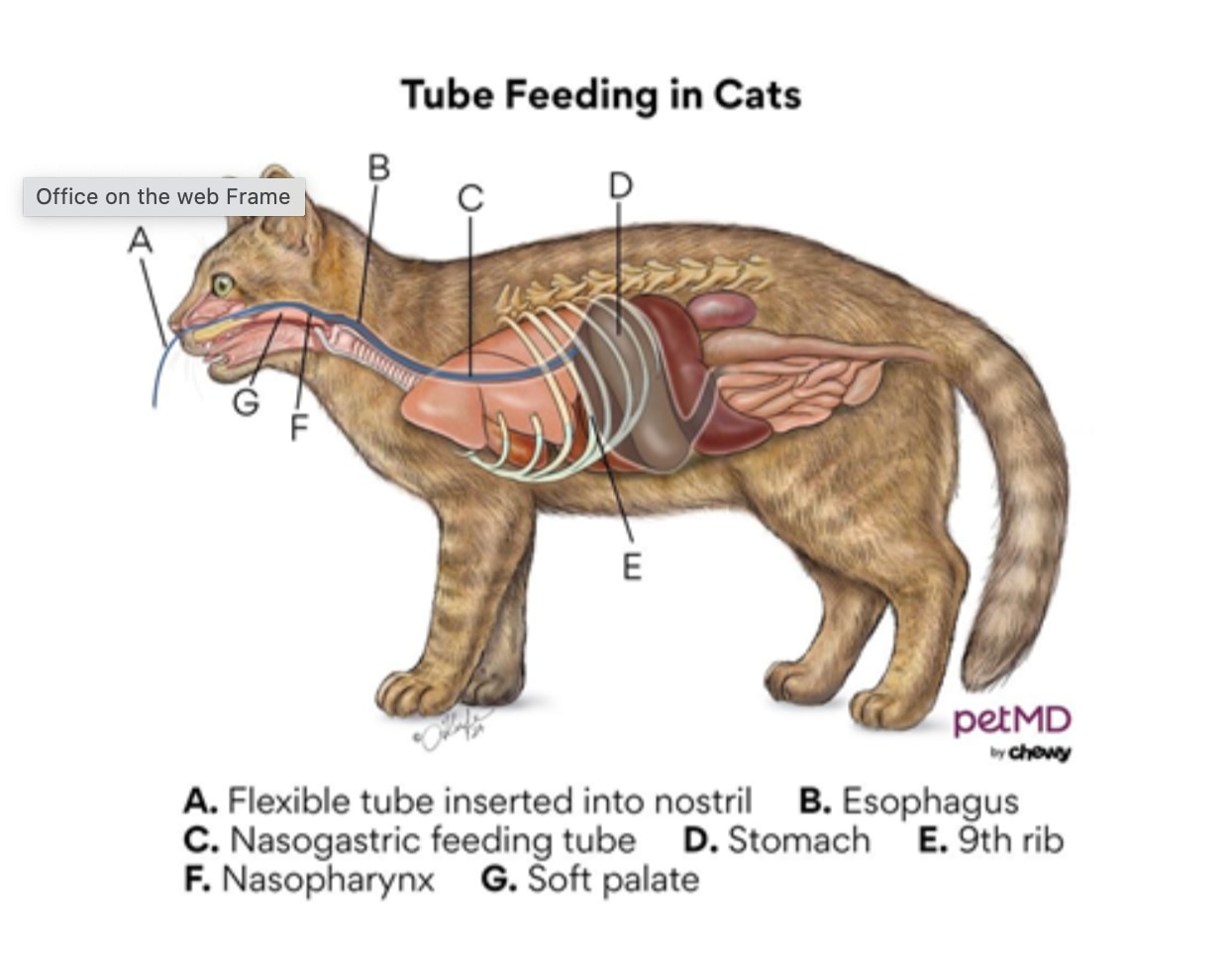
Click here to download this medical illustration.
Some cats have such severe anemia that they must be placed in an oxygen cage and may need blood transfusions.
Recovery and Management of Bobcat Fever in Cats
When bobcat fever is detected early and treated aggressively, affected cats can recover. Recovery usually takes one to two weeks.
Your cat may come home with a feeding tube if nutritional support is needed. Nutrient-dense, easy-to-mush diets, such as Hill's a/d Urgent Care or Royal Canin Recovery, are good options for these animals.
Pet parents who feel comfortable administering injections under the skin can ask their veterinarian about starting weekly injections.
Recovered cats are considered lifelong carriers and should not be allowed outside.
Although the infection cannot spread from cat to cat, it is spread by ticks that feed on a carrier before biting another cat.
Not giving ticks access to the carrier cat helps prevent their spread.
Tick prevention is very important in cats that go outdoors and is useful even for cats that are indoors but are near dogs that go outdoors.
Be sure to check your cat thoroughly daily for ticks, especially during the peak months of March through September.
FAQs About Bobcat Fever in Cats
What are the symptoms of bobcat fever in cats?
The most common symptoms are lethargy and decreased appetite, followed by a fever.
How long do cats live with bobcat fever?
Without veterinary treatment, once cats show symptoms, they will only live a few days.
Is bobcat fever contagious to humans?
No, bobcat fever is not contagious to humans.
How do cats get bobcat fever?
Cats get bobcat fever after being bitten by a tick that first fed on an infected bobcat.