
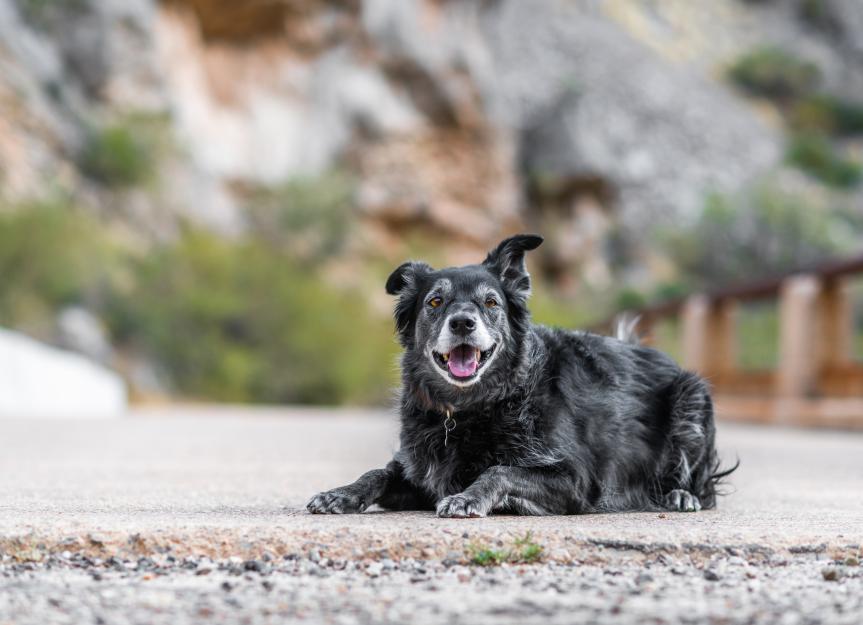
Just like humans, dogs experience physical and cognitive changes as they age. Some are subtle, while others are more visible, ranging from slowing down on walks to sometimes appearing confused. Understanding these changes can help you provide comfort and care for your senior dog.
Key takeaways
- Behavioral changes in older dogs are often caused by physical, metabolic, cognitive, or sensory decline related to aging, not just “old age.”
- Pain, arthritis and chronic health conditions usually cause changes in behavior and may be subtle or hidden.
- Canine cognitive dysfunction (CCD) can cause confusion, sleep disturbances, anxiety, and soiling in older dogs.
- Behavioral changes should never be ignored and always warrant a veterinary examination to rule out any treatable medical causes.
- Medical care, environmental adjustments, and consistent routines can greatly improve a senior dog's comfort and quality of life.
Why older dogs' behavior changes
Aging affects a dog's physical and metabolic health, brain function, and senses. These changes ultimately influence how they feel, move, and respond to their environment.
Mobility, hearing and vision
As dogs get older, you may notice that they seem stiff when they wake up from a nap or hesitate before jumping on the couch to sit next to you. Changes in hearing and vision may also make older dogs startle more easily or cause them to miss a treat that is thrown at them.
Some of these changes are part of the normal aging process, such as cataracts or degenerative joint diseases like osteoarthritis. Others may report underlying health conditions, including glaucoma or long-term inflammation or infection.
All of these conditions can influence your senior dog's comfort and behavior, so even subtle changes are worth paying attention to and discussing with your veterinarian.
Metabolic health
Metabolic health – how the body manages blood sugar, weight, organ function and energy – can also change as the dog ages. Organs such as the thyroid gland, kidneys and liver play an important role in regulating metabolism and maintaining energy and nutrient balance.
As dogs age, these organs can be affected by age-related diseases, which can disrupt this balance.
Pet parents may notice these changes in the form of changes in appetite, unexplained weight gain or loss, decreased energy levels, or a general feeling that your dog just isn't like them.
Each of these signs is worth discussing with a veterinarian, as metabolic changes can sometimes be managed more effectively if caught early.
Canine Cognitive Dysfunction
Older dogs can develop canine cognitive dysfunction (CCD), sometimes called “dog dementia.” CCD is linked to age-related brain changes, including loss of nerve cells, reduced blood flow, and changes in overall brain function.
Dogs living with CCD may seem confused in familiar places or forget routines they knew well, such as where to go to the bathroom.
Some older dogs may wander without a clear objective, appear disoriented, or have difficulty settling down and sleeping through the night. These changes can be upsetting to witness, but they are often gradual and may be subtle at first.
Aging of the senses, nervous system, and joints can also cause older dogs to respond differently to changes in their environment. What seems like a harmless rearrangement of furniture can cause confusion in an older dog.
Loud noises, slippery floors and sudden temperature changes can trigger anxiety and lead to fearfulness, irritability, avoidance or aggression.
Pain
Pain may not be obvious in older dogs, as many hide discomfort well. A dog with arthritis may not scream or limp, but subtle signs, such as a reduced willingness to climb stairs or jump in the car, suggest discomfort.
Decreased appetite may be one of the only signs of periodontal disease pain. Constantly licking, chewing or scratching; panting or increased pace; or irritability may also indicate pain.
While some changes are a natural part of aging, others signal underlying health issues that need attention. It is important to discuss behavior changes with your veterinarian.
Common Behavior Changes in Older Dogs
Every senior dog is unique, but here are some of the most common behavior changes reported by pet parents:
-
Activity changes– withdrawal from interactions with family members or repetitive actions such as pacing, spinning in circles, staring, or excessive licking
Don't ignore any of these behavioral changes in your senior dog. Have your veterinarian examine them to determine if there is a medical reason for the change.
When to call the vet
Not all behavioral changes are due to old age. Arthritis, dental disease, pain or other medical problems can also cause behavioral changes. Identifying the cause of the behavior is essential to providing comfort and appropriate medical care.
Call your veterinarian if you notice:
Your veterinarian will likely recommend diagnostics to determine the root cause. This is why regular check-ups, every six months for older dogs, are crucial.
Detecting problems early and creating a treatment plan can help your dog avoid unnecessary pain and suffering. If you are looking for a veterinarian who specializes in senior dogs, check with the Senior Dog Veterinary Society to determine if there is a certified senior dog veterinarian in your area.
How to help your senior dog
The treatment plan for your senior dog may include medication, behavioral therapy, or adjustments to your dog's environment.
Senior dogs often develop conditions that require prescription medications and supplements. These treatments help relieve discomfort, improve mobility and maintain overall health:
-
Heart, thyroid, kidney and eye conditions require specific treatments. Your veterinarian will tailor medications to your dog's needs.
If your veterinarian recommends behavioral therapy for your senior dog, the therapy will focus on support and comfort. Changes in a dog's memory, senses and mobility can affect the way it interacts with its environment. Take a moment to imagine life from your dog's perspective to better understand the challenges he faces.
Small changes in the environment can make a big difference in how your dog moves, rests, and enjoys the space he or she is in. Here are some examples:
Supporting your senior dog is a team effort. In addition to your family and your veterinary team, consider calling on your groomer, dog walker or boarding professionals. Multiple pairs of eyes can quickly detect subtle behavioral changes, giving you the opportunity to address concerns with your veterinarian and support your senior dog's comfort and quality of life as he ages.