
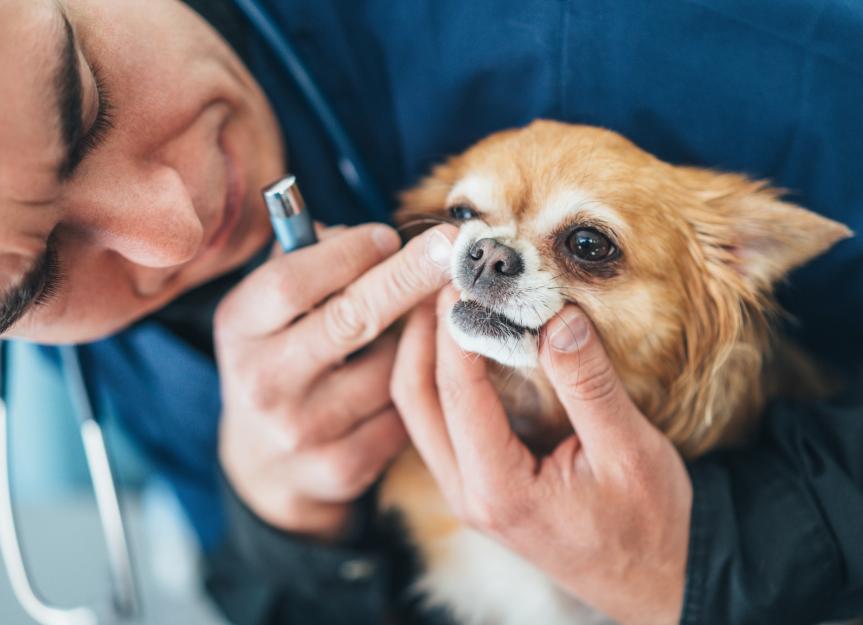
The color of your dog's gums can provide important clues about their overall health.
Although many pet parents don't check their dog's gums regularly, color changes can signal underlying medical issues.
Healthy gums are usually pink, but what does that mean if they're pale, yellow, blue, or bright red?
In this guide, you'll learn what the different colors of dog gum mean and when it's time to contact your veterinarian.
Key takeaways
- Healthy dog gums are usually light pink and moist, with a capillary refill time of less than two seconds.
- Changes in gum color can signal serious health problems like anemia, liver disease, or exposure to toxins.
- Checking your dog's gums regularly can help detect early signs of dental disease or illness requiring veterinary attention.
What color are healthy gums in dogs?
A dog's healthy gums are usually a light powdery pink color.
This is often compared to the color of cooked shrimp and indicates normal blood flow and oxygen levels.
Some dogs naturally have pigmented or spotted gums, which can still be normal. Breeds more likely to have darker or spotted gums include:
Even in dogs with pigmented gums, there are often areas of pink tissue, which help assess changes in gum color.
Gum Colors in Dogs and What They Mean
Changes in the color of your dog's gums can provide important clues about his health and signal underlying medical problems.
Early recognition of these changes can help speed up diagnosis and treatment.
- Pale pink to white gums: May indicate anemia, shock, poor circulation or heart disease. Common causes of anemia include internal bleeding, immune-related diseases, bleeding disorders, exposure to toxins (such as rat poison), kidney disease, parasites or tumors.
- Inflamed and slightly red gums: Often associated with gingivitis, dental disease or oral infections. Slight redness may also occur during teething in puppies, which is normal. In older dogs, rash may be linked to infections, kidney disease, or mouth ulcers.
In dogs with dental disease, their gums may appear slightly reddened at the base of the teeth due to inflammation. Brushing your dog's teeth with a dog-specific toothbrush and toothpaste (like Virbac) can promote healthy gums.
- Cherry red erasers: May indicate exposure to toxins, heat stroke, carbon monoxide poisoning, or severe high blood pressure.
- Yellow gums (jaundice): May indicate liver disease or immune conditions affecting red blood cells. In some cases, this can occur after a blood transfusion.
- Gray, blue or purple gums: often reflect poor oxygenation or circulation and may be associated with heart disease, breathing problems, hypothermia, or low blood pressure. This is a medical emergency.
- Brown or black spots: May be normal in some breeds. However, new or changing spots, especially those associated with growths, should be evaluated, as they may indicate cancer or viral illness.
How to Test the Color of Your Dog's Gums
To examine your dog's gums:
- Gently lift your dog's upper lip or lower his lower lip to view the gums and note the color.
- Touch the gums just above or below a tooth: they should be moist, not dry or sticky.
- Lightly press the pink area of the gums until it turns white, then release
The color should return from white to pink in less than two seconds. This is called capillary refill time (CRT) and helps assess circulation.
When to Call Your Vet
Contact your veterinarian if your dog's gums are not a healthy pink color.
Changes in gum color may indicate underlying health problems that require a physical examination and diagnostic tests to determine the cause.
Other signs that your dog should see the vet include:
- Pale, blue, yellow or very red gum color
- Dry or sticky gums
- CRT of more than two seconds
- Bleeding gums
- Any new mass or growth
- Ulcers or sores
- Broken teeth
Dog Gum Color FAQs
What color should a healthy dog's gums be?
A dog's healthy gums are usually light pink in color and moist to the touch.
Some dogs naturally have pigmented or spotted gums, but there should always be visible pink areas to assess their health.
What gum color is dangerous in dogs?
Pale, white, blue, gray or yellow gums are considered abnormal and may indicate serious health problems.
These changes can signal problems such as poor circulation, lack of oxygen, liver disease or exposure to toxins and should be evaluated immediately by a veterinarian.
How do I check my dog's gum health at home?
You can check your dog's gums by gently lifting his lip and observing the color and moisture.
Press lightly on the gum: the color should return to pink within two seconds (normal CRT). Slower fill times or drying out may indicate a problem.
Are black or spotted gums normal in dogs?
Yes, some dogs naturally have dark or spotted gums, especially certain breeds.
However, new spots, growths or changes in appearance should be checked by a veterinarian.
When should I call the vet about my dog's gums?
Call your veterinarian if your dog's gums are not pink or if you notice other changes.
Seek immediate care if the gums are pale, blue, gray or yellow, or if your dog shows signs of illness such as lethargy, difficulty breathing or weakness.