
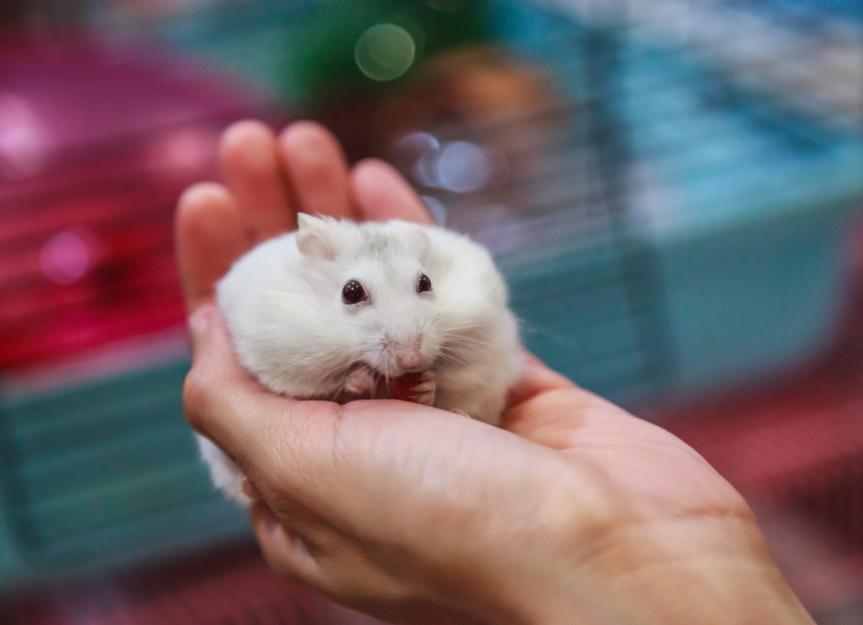
Hamster seizures can be frightening for pet parents. Although seizures in hamsters are not common, they can occur due to illness, injury, genetics, or environmental factors.
Understanding the symptoms of hamster seizures and knowing what to do if your hamster has a seizure can help you respond calmly and protect your pet's health. With proper care and veterinary advice, many hamsters can still have a good quality of life.
Key takeaways
- Hamster seizures are caused by abnormal electrical activity in the brain and can have several underlying causes.
- Common symptoms of hamster seizures include tremors, twitching, stiffening, and temporary loss of consciousness.
- Immediate safety measures and veterinary care are essential after any seizure episode.
- Treatment depends on the underlying cause, such as infection, trauma, heat stroke, or hamster epilepsy.
- Preventative care, good nutrition and safe housing can help reduce the risk of a seizure.
What are seizures in hamsters?
Seizures in hamsters occur when there is sudden, abnormal electrical activity in the brain. In small mammals, seizures can occur due to metabolic problems, such as liver disease, hypoglycemia, electrolyte imbalance, toxins, infections, trauma, or hereditary diseases.
In hamsters, seizures may appear more dramatic due to their small size. A seizure may involve full-body stiffening, jerky movements, or a sudden collapse in a hamster.
Are seizures common in hamsters?
Hamster seizures are considered relatively rare compared to other small pets. However, certain genetic lines may be more prone to hamster epilepsy.
Convulsions or fainting spells
It can be difficult to tell the difference between a seizure and a fainting spell. Seizures usually involve rhythmic jerks or contractions. Fainting episodes are often brief and do not include repeated muscle movements.
Symptoms of Seizures in Hamsters
Symptoms of hamster seizures can vary in severity. Some episodes only last a few seconds, while others may last longer.
Common signs include:
If your hamster shakes and twitches repeatedly or appears disoriented afterward, a seizure may have occurred.
Causes of seizures in hamsters
Several conditions can trigger seizures in hamsters.
Hamster epilepsy (genetic causes)
Hamster epilepsy refers to recurrent seizures without an identifiable underlying cause. Some hamsters may inherit a predisposition to seizures.
Head trauma
Falls, mishandling, or accidents inside the cage can lead to brain damage that can trigger seizures.
Low blood sugar (hypoglycemia)
Young, stressed or poorly nourished hamsters can develop hypoglycemia. Hypoglycemia can cause weakness, tremors, or seizures.
Brain infections or inflammation
Bacterial or viral infections affecting the nervous system can cause seizures.
Toxins
Exposure to toxic foods, cleaning chemicals, pesticides, essential oils, or human medications can cause hamsters to have seizures.
If exposure to a toxin is suspected, contact your veterinarian immediately. You can also contact Pet Poison Helpline at 855-764-7661 for immediate advice.
Heatstroke
Hamsters are sensitive to high temperatures. Overheating can lead to neurological symptoms, including seizures.
Brain tumors (rare)
Brain tumors are rare but possible in older hamsters.
What to do if your hamster has a seizure
If your hamster has a seizure:
-
Once the seizure is over, keep your hamster warm and quiet, like in a cozy blanket nest. Only offer water once your hamster is fully alert.
If a seizure lasts more than a few minutes or if multiple seizures occur in close proximity, it is an emergency that requires immediate veterinary attention.
How Veterinarians Diagnose Seizures in Hamsters
Diagnosing seizures in hamsters can be difficult due to their small size.
A veterinarian can perform:
Advanced imaging is rarely performed in hamsters due to size limitations.
Blood tests can be used to help identify metabolic problems, although options are limited in very small patients.
Treating Hamster Seizures
Treatment depends on the underlying cause.
Possible treatments may include:
Long-term treatment may be considered for recurring seizures, but the dosage should be carefully determined by a veterinarian experienced with small mammals.
Always consult a veterinarian for personalized treatment recommendations.
Recovery and seizure management in hamsters
Many hamsters can recover well after a seizure, depending on the cause.
Useful management strategies include:
If seizures become frequent or severe, your veterinarian can discuss quality of life considerations.
How to Prevent Seizures in Hamsters
Although not all seizures are preventable, you can reduce the risk by:
Routine veterinary exams can also help identify health problems quickly and keep your hamster healthy.
Hamster Seizures FAQ
Can hamsters live normally after seizures?
Yes, some hamsters can live comfortably with proper treatment and monitoring, depending on the cause.
Are seizures painful for hamsters?
The seizures themselves are not usually considered painful, but their underlying causes can cause discomfort. A veterinarian should evaluate your hamster.
Can stress cause seizures?
Severe stress can trigger seizures in already predisposed hamsters.
Should I separate cage mates?
If cage mates are present, temporary separation after a seizure can prevent injury. Consult your veterinarian for advice.
This article was created with the help of AI tools. The contents have been examined by a veterinarian.