
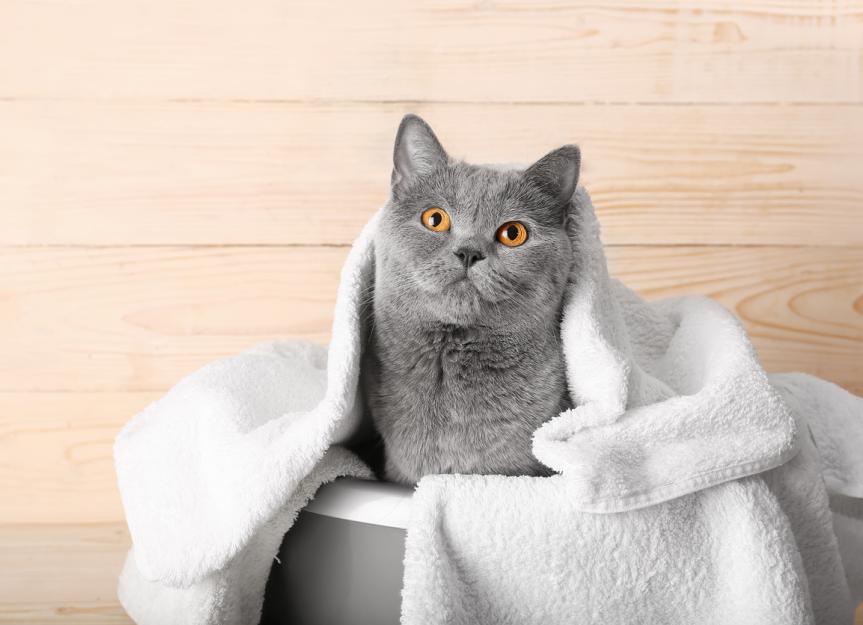
Cats are intelligent creatures and excellent companions. They are self-sufficient and require little maintenance: cats generally even take care of their own grooming.
However, a pet owner may need to help clean their ears from time to time to remove debris and help prevent ear problems.
Knowing how to clean your cat's ears safely and when to seek help from your veterinarian is an important part of maintaining your cat's overall health.
Download PetMD's Complete Cat Ear Cleaning Guide: How to Clean Your Cat's Ears. A Spanish version of the guide is also available.
Key takeaways
- Most cats don't need their ears cleaned frequently, but their ears should be checked regularly.
- Always use a veterinarian-approved ear cleaner and avoid harmful substances like hydrogen peroxide or alcohol.
- Safe ear cleaning involves applying a cleanser, massaging the ear, and wiping away any debris.
- If your cat shows signs of an ear problem, do not clean the ears and contact your veterinarian immediately.
Are you supposed to clean your cat's ears?
Most cats do not need regular ear cleaning, but their ears should be checked regularly for signs of dirt, earwax buildup, or infection.
If your cat's ears seem dirty but not painful, gentle cleaning at home may be appropriate. If you are not comfortable cleaning your cat's ears, your veterinarian can help.
Signs of an ear infection in cats
When checking your cat's ears, look for signs of a cat ear infection, which may include:
- Smell
- Redness
- Swelling
- Discomfort or pain
- Injury
- Dump
- Itch
If you notice any of these symptoms, contact your veterinarian. Do not attempt to clean your cat's ears at home if you suspect an infection or injury..
What to use to clean your cat's ears
Always use a veterinarian-approved ear cleaner when cleaning your cat's ears.
There are over-the-counter products, like Epi-Otic® or Vetoquinol, that are generally safe for cats. However, it is best to consult your veterinarian first to determine which cleanser is most appropriate based on your cat's health and needs.
Do not use cotton swabs to clean your cat's ears. These can push debris deeper into the ear canal and damage the eardrum.
It's important to check with your veterinarian first to determine which specific cleaners are best for your cat.
How to Clean Your Cat's Ears at Home
Cleaning your cat's ears at home requires a gentle, step-by-step approach to keep your cat calm and avoid injury.
Step 1: Prepare your cat
Choose a quiet, comfortable place for you and your cat. Gently wrap your cat in a towel to help it stay still. To soothe their nerves, consider using a calming spray (like Feliway®) on the towel.
Step 2: Apply Ear Cleaner
Apply your veterinarian-approved cat ear cleaner by squeezing it with a saturated cotton ball or placing a small amount directly into the ear canal.
Step 3: Massage the ear
Gently massage the base of the ear for a few seconds. This helps distribute the cleaner and loosen debris.
Step 4: Let your cat shake
Let your cat shake its head to remove excess cleaner and debris.
Step 5: Wipe the ear
Gently clean the ear flap and visible ear canal using a cotton ball or your finger wrapped in gauze.
Step 6: Repeat on the other ear
Follow the same steps for the second ear.
Step 7: Reward your cat
Reward your cat with their favorite treat, like Temptations®, and affection!
This can help create a positive experience for future cleanings.
FAQs on How to Clean Your Cat's Ears
How much does it cost to clean your cat's ears?
The cost of cleaning cat ears varies depending on the veterinary clinic.
It may be included in a routine exam or charged as a separate, smaller fee. Contact your veterinarian directly for specific rates.
What is the black substance in my cat's ears?
Black debris in your cat's ears may just be normal waxy discharge or be a sign of a mite or yeast infection.
If your cat scratches its ears or shakes its head, if there is an odor or redness in its ears, or if the debris you cleaned comes back, take your cat to the veterinarian.
Can I put hydrogen peroxide in my cat's ear?
No, hydrogen peroxide should never be used in a cat's ears.
Hydrogen peroxide can be very irritating to the sensitive tissues inside a cat's ear and could seriously damage their ear canal.
Don't put anything other than an ear cleaner specifically approved for cats in your cat's ears. Be sure to consult your veterinarian before using anything on or in your cat's ears.
Do indoor cats have dirty ears?
Yes, indoor cats can still develop dirty ears.
Although most healthy cats have clean ears, accumulation can occur if:
- They don't groom themselves properly
- They have an ear infection or ear mites
If you notice frequent debris, head shaking or scratching, contact your veterinarian for evaluation.