
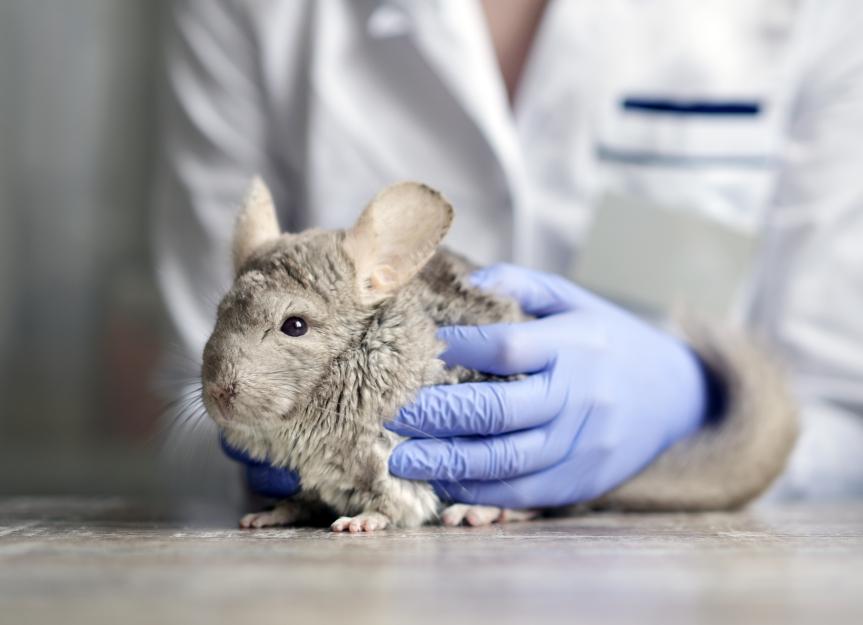
Overgrown chinchilla teeth are a common and potentially life-threatening condition caused by continued tooth growth without proper wear.
Without enough hay and chewing, these teeth can become misaligned, painful, and quickly prevent your chinchilla from eating, making early recognition and veterinary care essential.
Key takeaways
- Chinchilla's teeth grow continually and without enough fibrous hay to wear them down, they can become overgrown and misaligned (malocclusion).
- Overgrown teeth are often a medical emergency. They can cause pain, prevent eating, and quickly lead to life-threatening complications like gastrointestinal stasis.
- Treatment usually involves veterinary tooth trimming and long-term management, while prevention depends on a high-fiber, hay-based diet and regular monitoring.
What are overgrown chinchilla teeth?
Chinchillas have open-rooted teeth, meaning their teeth continue to grow throughout their lives. In the wild, their diet of coarse grasses and fibrous plants naturally wears down their teeth when they chew. If pet chinchillas do not receive a regular diet of hay, their teeth may become too long or develop abnormal angles.
When a chinchilla's teeth become overgrown, several problems can develop:
Misaligned teeth, a condition called malocclusion, means the teeth do not touch properly when the animal bites. Because chinchilla teeth are constantly growing and wearing against each other, even small alignment issues can quickly accelerate the problem.
When overgrown teeth are diagnosed, it is often an immediate medical emergency. Even if the chinchilla eats normally, the problem can quickly become serious. If a chinchilla stops eating due to dental pain, it may develop gastrointestinal stasis (slow movement of the gastrointestinal tract) or infection, which can become life-threatening within hours or days without treatment.
Other Types of Dental Problems in Chinchillas
In addition to overgrown teeth, chinchillas can develop other dental problems, including:
Many of these conditions are related and can occur together.
Symptoms of Overgrown Chinchilla Teeth
Chinchillas are good at hiding illnesses, so dental problems can sometimes go unnoticed until they become serious. Pet parents should watch for the following symptoms:
Any of these signs should prompt a veterinary visit. Don't try to trim your chinchilla's teeth at home, even if his front teeth seem too long. This is rarely the only problem and you can easily create additional problems.
Causes of Overgrown Chinchilla Teeth
Several factors can contribute to tooth overgrowth in chinchillas.
Diet
The most common cause is poor diet. Chinchillas need a diet rich in fibrous hay to maintain natural tooth wear.
Diets that contain too many pellets, soft foods, or sugary treats may not provide enough chewing resistance. Most chinchillas need less than a tablespoon of pellets several times per week to maintain a balanced diet. The majority of their diet should consist of hay, such as the timothy and oat hay made by Oxbow.
Genetic
Some chinchillas are genetically predisposed to malocclusion, especially if they come from lines with dental problems.
Age
Dental disease can occur at any age, but it often becomes more noticeable in young adults or middle-aged chinchillas, usually due to the additive factor of poor diet over time.
Injury or trauma
Damage to the jaw or teeth can change alignment and lead to abnormal growth patterns. This is common in chinchillas who break their teeth by chewing on the bars of their cage.
How Veterinarians Diagnose Overgrown Chinchilla Teeth
Although your veterinarian begins with a general examination, diagnosis and treatment of dental diseases usually requires sedation. A chinchilla's mouth is very small and an endoscopic camera is used to examine the back teeth.
Common diagnostic methods include:
-
Physical examination: The veterinarian will examine your chinchilla's body condition, mouth, and jaw alignment.
-
Oral examination under sedation: Special tools allow veterinarians to inspect incisors and molars for overgrowth, sharp points or injuries.
-
Dental X-rays: These help your veterinarian evaluate tooth roots, look for spikes and spikes on crowns, and detect deeper dental disease.
Preparing for the appointment
Pet parents can help by:
In addition, you must inform the veterinarian about:
Treating Overgrown Chinchilla Teeth
Treatment depends on the severity of the disease. Chinchillas that are not already on a hay-based diet will likely benefit from switching to a high-fiber diet.
Crown adjustments
Veterinarians often use specialized dental tools to file down overgrown teeth. This procedure requires sedation.
Corrective dental procedures
Severely overgrown molars may require repeated dental care to restore proper alignment. Even very small spots or spurs can cause significant pain to the chinchilla and must be continually treated.
Medications and supportive care
Treatment may include:
Supportive nutritional products, such as Oxbow Critical Care Herbivore Formula, are often recommended to maintain nutrition during recovery.
In many cases, dental diseases become chronic and require ongoing care. Once teeth become misaligned, it may not be possible to restore them to their proper alignment.
Recovery and Management of Overgrown Chinchilla Teeth
Recovery time varies depending on the severity of the dental problem. For mild cases treated early, improvement may occur immediately after treatment. More serious cases requiring dental correction may require several weeks of monitoring and supportive care. The most serious cases generally require lifelong care.
During recovery, chinchillas may need:
Pet parents may also need to provide better nutrition in the form of a high fiber (hay) diet.
Prevention of overgrown chinchilla teeth
Preventing dental problems largely depends on proper care. Pet parents can help prevent tooth overgrowth by:
A balanced diet that encourages natural chewing behavior is the best long-term protection against dental disease.
If you suspect dental problems in your chinchilla, early veterinary care can make a significant difference. Regular monitoring, proper nutrition and prompt treatment can help ensure that your pet remains healthy and comfortable for years to come.
FAQs About Overgrown Chinchilla Teeth
How do I know if my chinchilla's teeth are overgrown?
Common signs include drooling, difficulty eating, weight loss, or refusal to eat. Although front teeth sometimes appear overgrown, molar problems are more common and can only be detected during a veterinary dental exam.
What should a chinchilla's teeth look like?
Healthy chinchilla incisors should be yellow to orange in color, smooth and evenly aligned. Although they may appear surprisingly long, they should be short enough to stay mostly inside the mouth. The molars (back teeth) are usually not visible. They must grind food efficiently without causing pain or injury to the cheeks or tongue.