
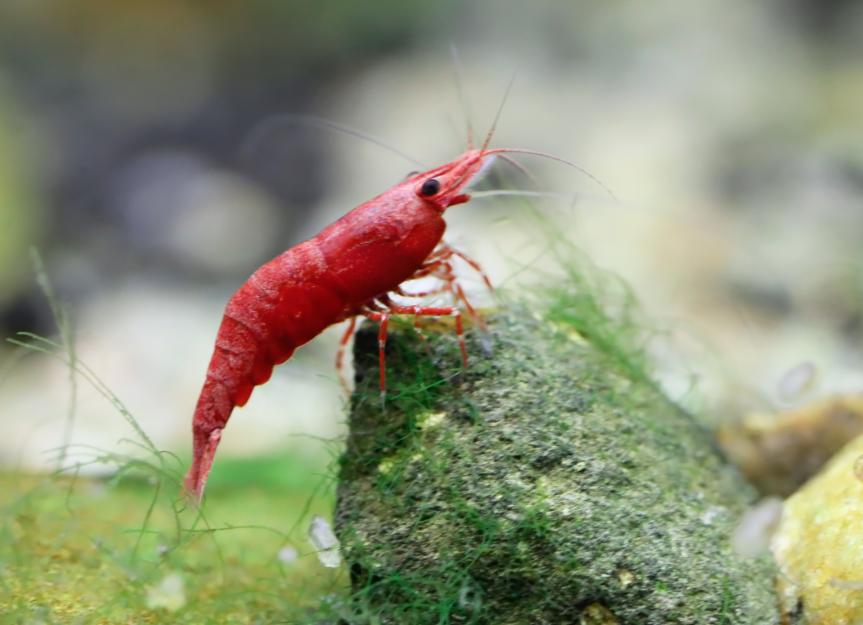
Aquarium shrimp are popular additions to aquariums because they help clean tanks and come in a wide variety of colors and sizes.
Although some people think of shrimp as difficult to care for, many species of aquarium shrimp are relatively easy to care for once proper conditions are established in the aquarium.
Here's what you need to know to keep aquarium shrimp healthy.
Key takeaways
- Aquarium shrimp are easy to care for once aquarium conditions are stable.
- Some species of shrimp help clean parasites and algae from aquariums.
- Shrimp are omnivorous scavengers that eat a variety of foods.
- Shrimp molt regularly as they grow and may appear “dead” after molting.
- Many species of aquarium shrimp breed easily in home aquariums.
1. Some aquarium shrimp clean other fish
Some aquarium shrimp act as cleaner species by removing parasites and debris from the fish.
One example is Lysmata amboinensis, also known as the Pacific cleaner shrimp. These shrimp attract fish by waving their antennae in a “dancing” motion before removing parasites, dead tissue and other debris from the fish's body. They can even get into a fish's mouth to clean hard-to-reach areas.
Because of this unique behavior, Pacific cleaner shrimp are among the most popular aquarium shrimp species.
2. Aquarium shrimp will eat almost anything
Aquarium shrimp are opportunistic omnivores that feed on a wide variety of plant and animal matter. As scavengers, they spend much of their time searching for food at the bottom of the tank or waterbed.
Shrimp larvae drift in water currents and feed primarily on plankton, including microscopic plants and animals. As they grow, their diet expands to include many different foods, including:
- Algae
- Dead and living plants
- Worms, including rotting worms
- Fish
- Snails
- Other dead shrimp
In aquariums, shrimp typically eat algae and leftover fish food, which helps keep aquariums cleaner.
3. Aquarium shrimp carry their eggs
Unlike many species of fish, aquarium shrimp carry their eggs attached under their bodies until they hatch. Egg-bearing shrimp are commonly called “egg-bearing shrimp.”
When ready to breed, female shrimp release hormones into the water to attract males. After mating, the female transfers the fertilized eggs under her tail, where they remain until hatching.
Shrimp continually fan their eggs to provide oxygen and help prevent the growth of mold or bacteria. The eggs are often visible, making the reproductive behavior fascinating to observe in the aquarium.
Some species, such as cherry shrimp, breed easily in captivity, while others, notably amano shrimp, are more difficult to breed successfully.
4. Some aquarium shrimp are nocturnal
Some species of aquarium shrimp are nocturnal, meaning they are most active at night.
One example is Lysmata wurdemanni, also known as peppermint shrimp. Peppermint shrimp typically hide in the aquarium decor during the day and emerge at night to feed.
Although nocturnal shrimp are less visible in aquariums, they can still provide useful benefits. Peppermint shrimp are particularly notorious for eating harmful Aiptasia anemones, which can spread quickly and sting other aquarium inhabitants.
5. Molting Aquarium Shrimp as They Grow
Aquarium shrimp grow by regularly shedding their exoskeletons in a process called molting.
Novice aquarists often mistake lost exoskeletons for dead shrimp. In many cases, the shrimp is alive and has simply molted. Dead shrimp are usually pinkish in color, while a lost shell often looks almost identical to a healthy shrimp.
Molting is a normal and necessary process that allows shrimp to grow. Young shrimp can molt up to once a week.
After molting, shrimp are particularly vulnerable because their new exoskeleton is still soft. During this time, they often hide for several days until their shell hardens.
6. Aquarium shrimp are excellent swimmers
Although aquarium shrimp spend much of their time walking on surfaces, they are also good swimmers.
Shrimp are particularly good at swimming backwards. They propel themselves by rapidly flexing their abdomen and tail muscles, which pushes them quickly through the water.
Shrimp can also swim more slowly using the small limbs on the underside of their bodies.
Aquarium Shrimp FAQ
Are aquarium shrimp easy to care for?
Yes, many species of aquarium shrimp are suitable for beginners once stable water conditions are maintained.
What do aquarium shrimp eat?
Aquarium shrimp eat algae, leftover fish food, decaying plants and other organic matter.
Can aquarium shrimp live with fish?
Many aquarium shrimp can live with peaceful fish species, although larger or aggressive fish may prey on them.
Do aquarium shrimp clean aquariums?
Yes, many aquarium shrimp help clean tanks by eating algae and food scraps.