
By Kali Wyrosdic
Although they may not seem exciting, catfish are incredible survivors as a fish breed. They are capable of living and even thriving in temperatures ranging from just above freezing to nearly 100 degrees Fahrenheit and can live inland and in coastal waters on all continents except Antarctica. Find out more interesting facts about catfish below, including how to incorporate them into your aquarium.
Where do catfish live?
Catfish are an extremely diverse group of ray-finned fish that get their nickname from their feline-looking whiskers, which are actually barbels that act as a defense mechanism (unlike other fish that have scales to defend them). Catfish can live in a number of conditions, with species living in saltwater, freshwater, and brackish water. Some catfish prefer stagnant water and others live in fast-moving rivers and streams, it all depends. Some species of catfish are nocturnal (sleeping during the day) while others are diurnal (active during the day).
Channel catfish, a categorization that includes more than 45 species, accounts for all commercial food fish production in the United States. There are almost as many regional nicknames for the fish as there are species. In the United States alone, they are known as mud cats, tadpoles, chuckleheads, big bullheads, scoopers, scoopers, and flatties, to name a few. Although there are nearly 40 species of catfish in North America alone, only six have been cultivated or have potential for commercial production. Aside from that, some species of catfish make excellent pet fish and aquarium companions.
What do catfish eat?
Although native catfish habitat varies greatly, all catfish like to eat and, despite popular belief, not all are bottom feeders. Catfish move where the food is, whether that's strolling along a river bed or scanning the water's surface in search of larger prey. Wild catfish have very diverse feeding behaviors, with some remaining strict scavengers and others preferring to swallow large fish and other prey whole. Some can be carnivorous, herbivorous, omnivorous or even limnivorous (eating microorganisms contained in the mud).
A catfish's diet changes as it grows, with young catfish eating larvae and insects and mature catfish transforming into insects, snails, other fish, and fish eggs. A select few species of catfish even like to eat wood and algae, while an even greater number are parasitic and live on the blood of other fish, frogs, rodents, and even waterfowl.
Aquarium catfish are slightly different from their wild counterparts. Although they feed on algae and other decaying organic matter that settles on the bottom of the aquarium, they require additional food to live and should be fed in the same way as other pet fish.
How big are catfish?
It's easy to find catfish of all shapes and sizes, which is great news if you're considering adding one or more to your aquarium. The three largest species of catfish are the Mekong Giant Catfish, Wels Catfish, and Piraiba Catfish. One of the largest catfish ever recorded weighed nearly 700 pounds, while the smallest species of catfish only reach an inch in length. The size of a catfish depends on its species and its environment.
Can I add a catfish to my aquarium?
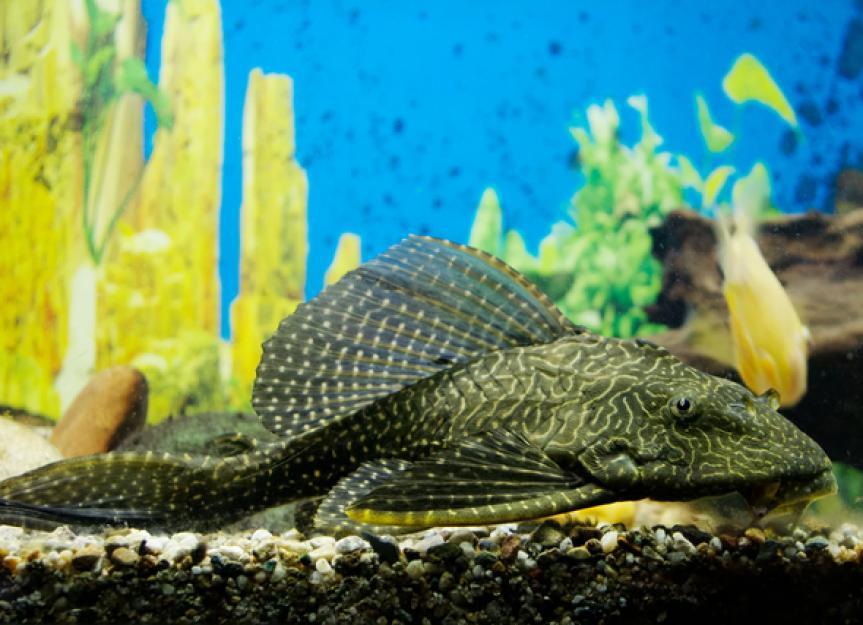
Catfish are a great addition to any aquarium because they help keep it clean. When it comes to aquarium catfish, there are several species that hobbyists prefer; some of which stay small (like corydoras) while others grow larger (plecos and Colombian sharks, also called Jordan catfish). Many species of pet catfish tend to do well in groups or small schools and even get along with some of the more aggressive fish species, such as betta fish. The type of catfish you choose for your aquarium depends on the size of the aquarium you have and the other types of fish it contains.
Want to learn more about catfish? Here are some more fun facts:
- A catfish has around 100,000 taste buds and its body is covered with them to help detect chemicals in the water and also to respond to touch.
- Some ancient cultures kept catfish in their latrine ponds as a natural way to get rid of waste.
- Asian catfish can stand up and “walk” on the ground with their front flippers and tail. It will travel short distances when it needs to move to another pool or body of water.
- Some species of catfish are able to breathe through their skin, which is why most catfish species lack scales and have smooth, mucus-covered skin.
- The catfish is one of the few fish with an organ called the Weberian apparatus that they use to communicate with each other underwater. The Weberian device also helps improve one's hearing ability. Catfish make additional sounds by rubbing parts of their bodies together underwater.
Image: Shaun Wilkinson / Shutterstock